Quick answer
- Marrakech afternoons
- ≈ 24 °C / 75 °F
- Nights around 11 °C / 52 °F
- Merzouga afternoons
- ≈ 25 °C / 77 °F
- Cool nights; windy spells possible
- Our suggested route
- 8 days
- Marrakech → Merzouga → Fes
- Time at the dunes
- 2 nights
- One full day without a long drive
Need a driver? We can arrange your transfer — message us on WhatsApp.
March is a strong choice for a first trip to Morocco, especially if you want both the cities and the Sahara. Marrakech is warm enough for outdoor lunches, the lower Atlas valleys turn green, and Merzouga has comfortable afternoons without the intense summer heat. The trade-off is changeable spring weather: cool nights, rain in the north and occasional wind carrying sand across the dunes.
Rather than promising perfect sunshine, this guide helps you plan around those differences. Our route leaves two nights at Erg Chebbi, so the desert is a destination rather than a rushed stop between long drives. Use the regional advice to decide where to spend your time, then check the forecast and your transport arrangements shortly before departure.
Is March a good time to visit Morocco?
- Yes for sightseeing and a Sahara stay: pleasant daytime temperatures make medinas, kasbahs and the dunes easier to enjoy than in midsummer.
- Bring layers, not just summer clothes. A sunny afternoon does not tell you how cold the desert sunrise or an Atlas village will feel.
- Keep one flexible day. Spring rain, mountain-road conditions and desert wind can affect a tightly timed itinerary.
- Book popular dates ahead, especially around school holidays and Easter when it falls in March. March is not reliably a cheap or empty month.
Morocco weather in March, region by region
Morocco has no single March temperature. Altitude, the Atlantic and the Sahara create very different conditions. Marrakech and Fes values below are rounded historical station averages; Merzouga values follow our existing month-by-month camp guide. The other regions are described without pretending to give a precise local forecast.
| Region | Typical day / night | Plan for |
|---|---|---|
| Marrakech | ≈ 24 / 11 °C (75 / 52 °F) | Warm afternoons, cooler evenings; showers possible |
| Fes | ≈ 20 / 7 °C (68 / 45 °F) | Mild days; more rain than the south |
| Merzouga / Erg Chebbi | ≈ 25 / 9 °C (77 / 48 °F) | Sunny spells, cool nights and possible blowing sand |
| High Atlas | Varies sharply with altitude | Snow on high routes; cold mornings in villages |
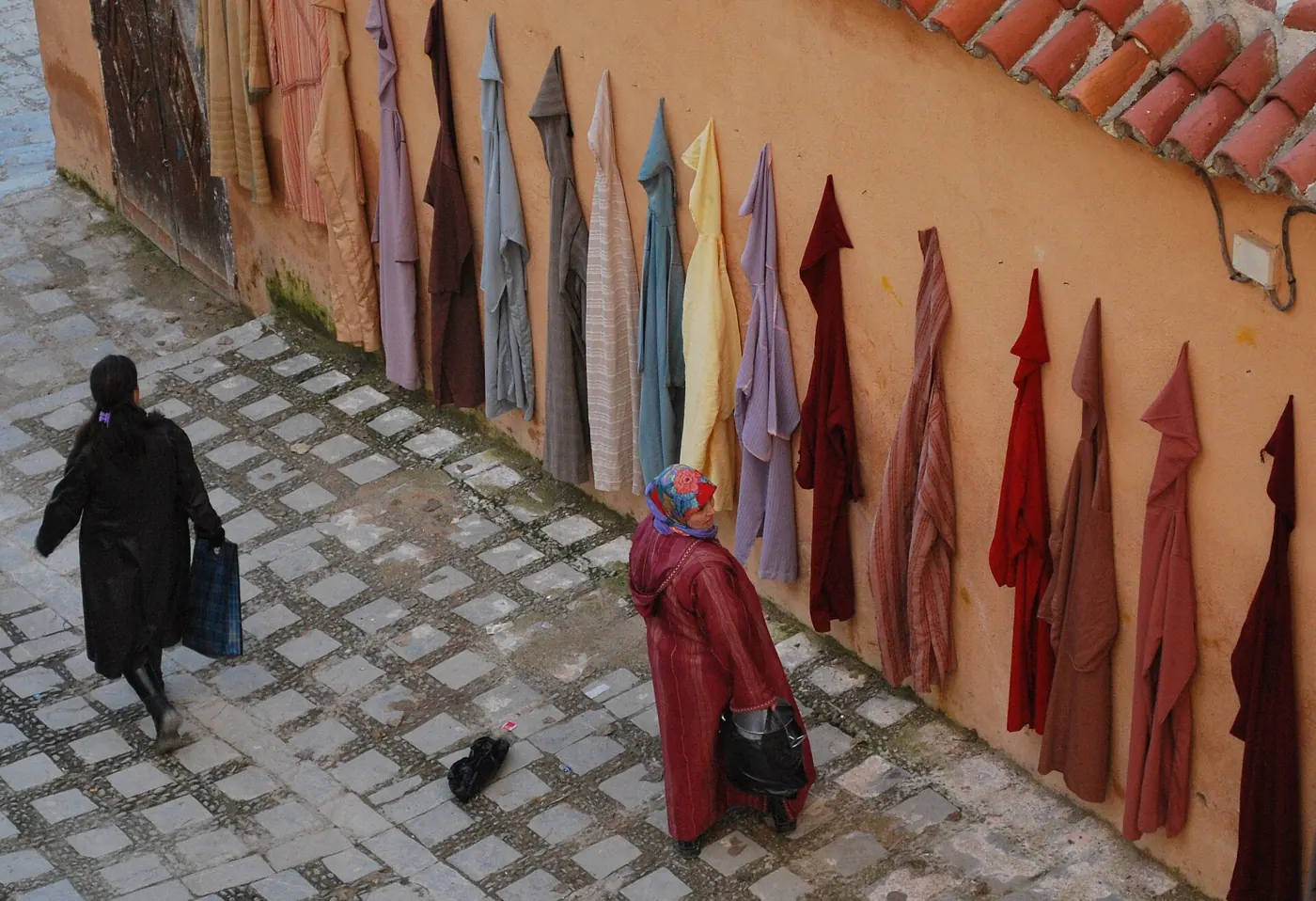
| Chefchaouen / Rif | Mild days, cool nights | A waterproof jacket and a flexible sightseeing day |
| Essaouira / Atlantic coast | Mild rather than hot | Fresh sea wind; do not assume swimming weather |
Planning averages and regional guidance, not a forecast or a guarantee of sunshine. Check your exact locations before travelling.
Marrakech: gardens, medinas and outdoor lunches
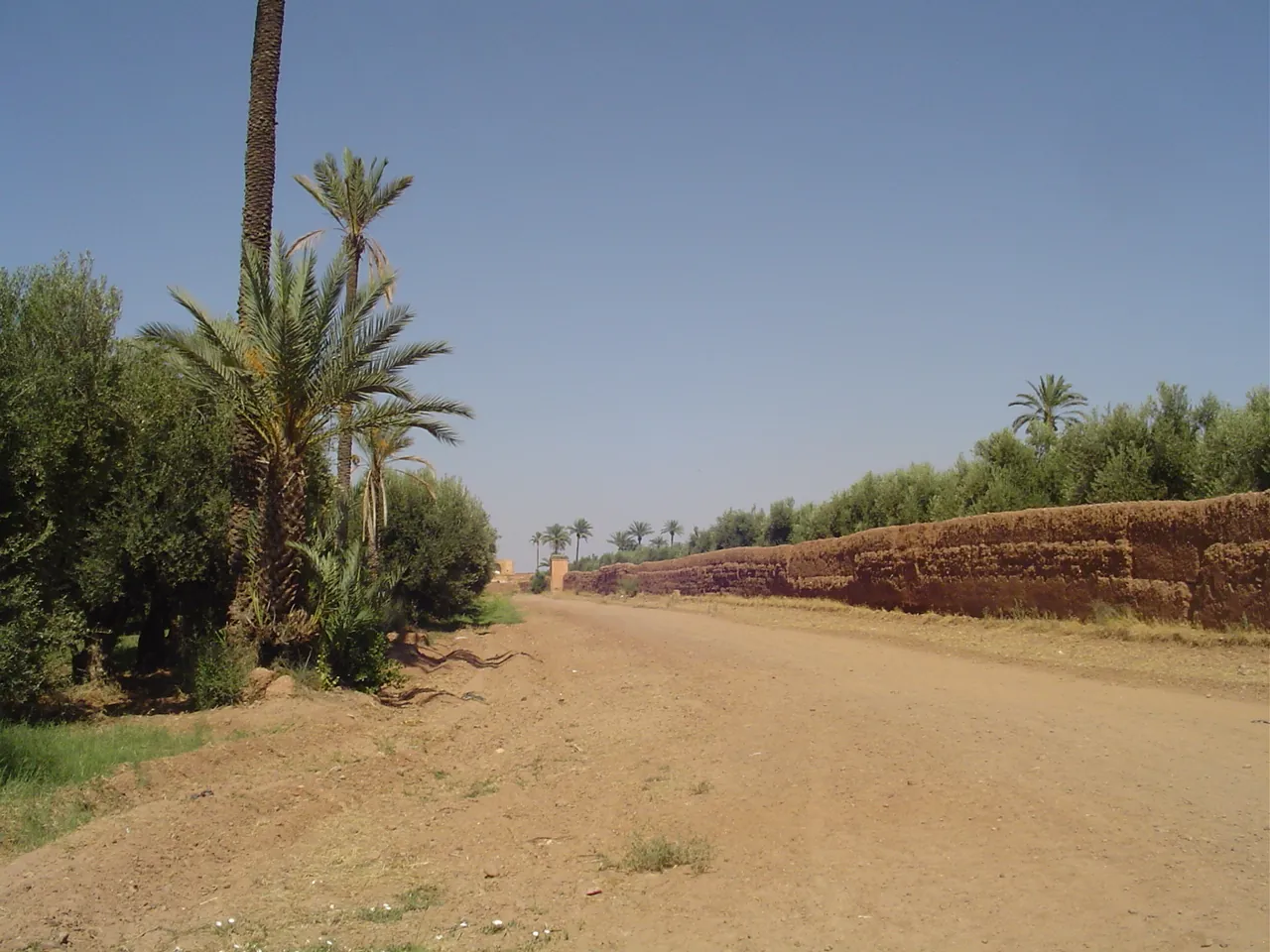
Allow two days in Marrakech before heading south. March is generally comfortable for exploring the medina on foot, taking breaks on a terrace and visiting gardens. Start early for quieter streets and carry a light layer for shaded courtyards and evenings. A warm forecast is not a reason to leave sunscreen behind.
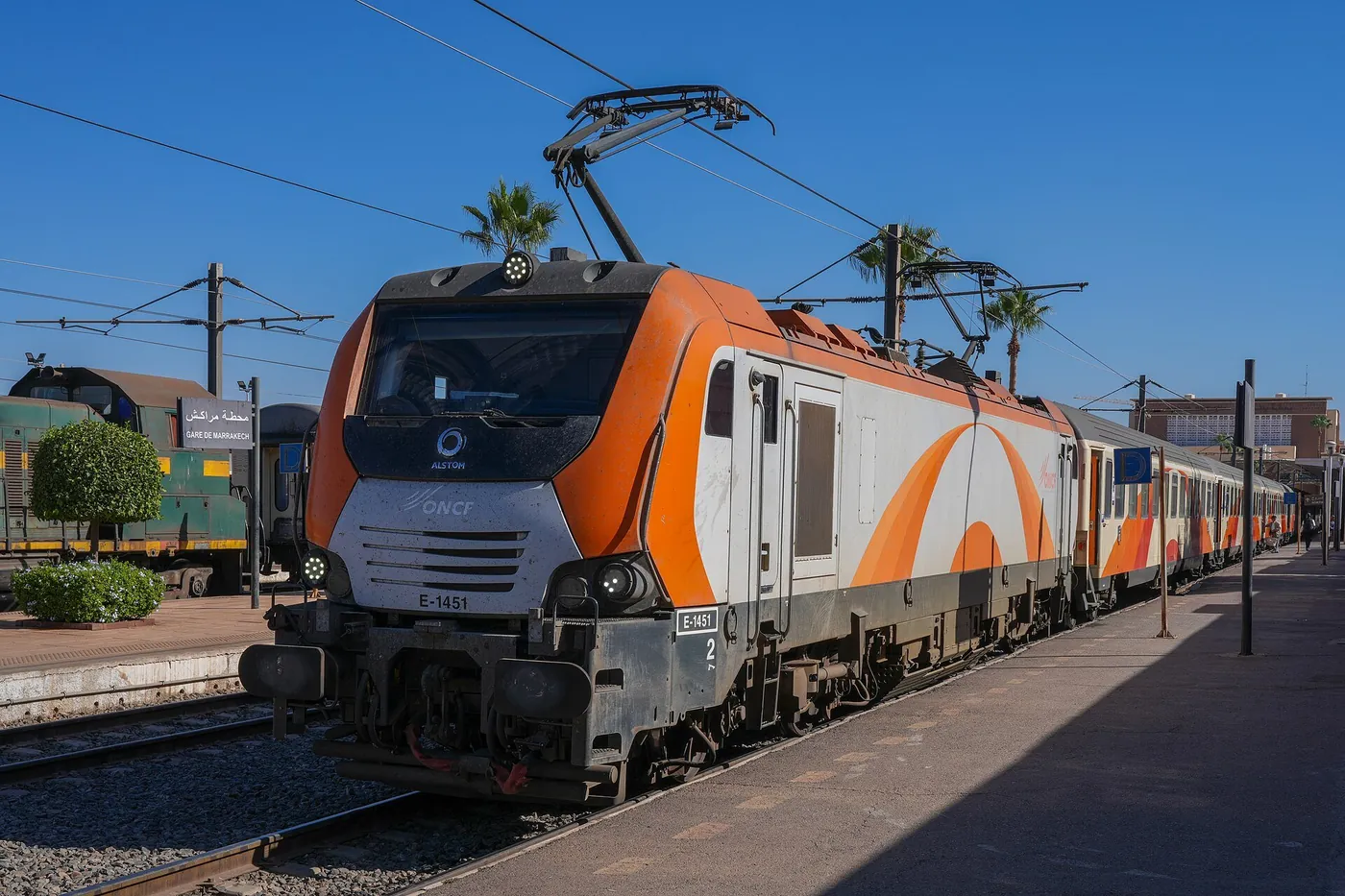
If you arrived through Casablanca, travel to Marrakech first instead of adding a desert departure immediately after a flight. Check train or transfer times and leave space for delays. The Marrakech-to-Merzouga journey is a substantial road trip across the Atlas, not a quick day excursion.
The Atlas: green valleys do not mean snow-free summits
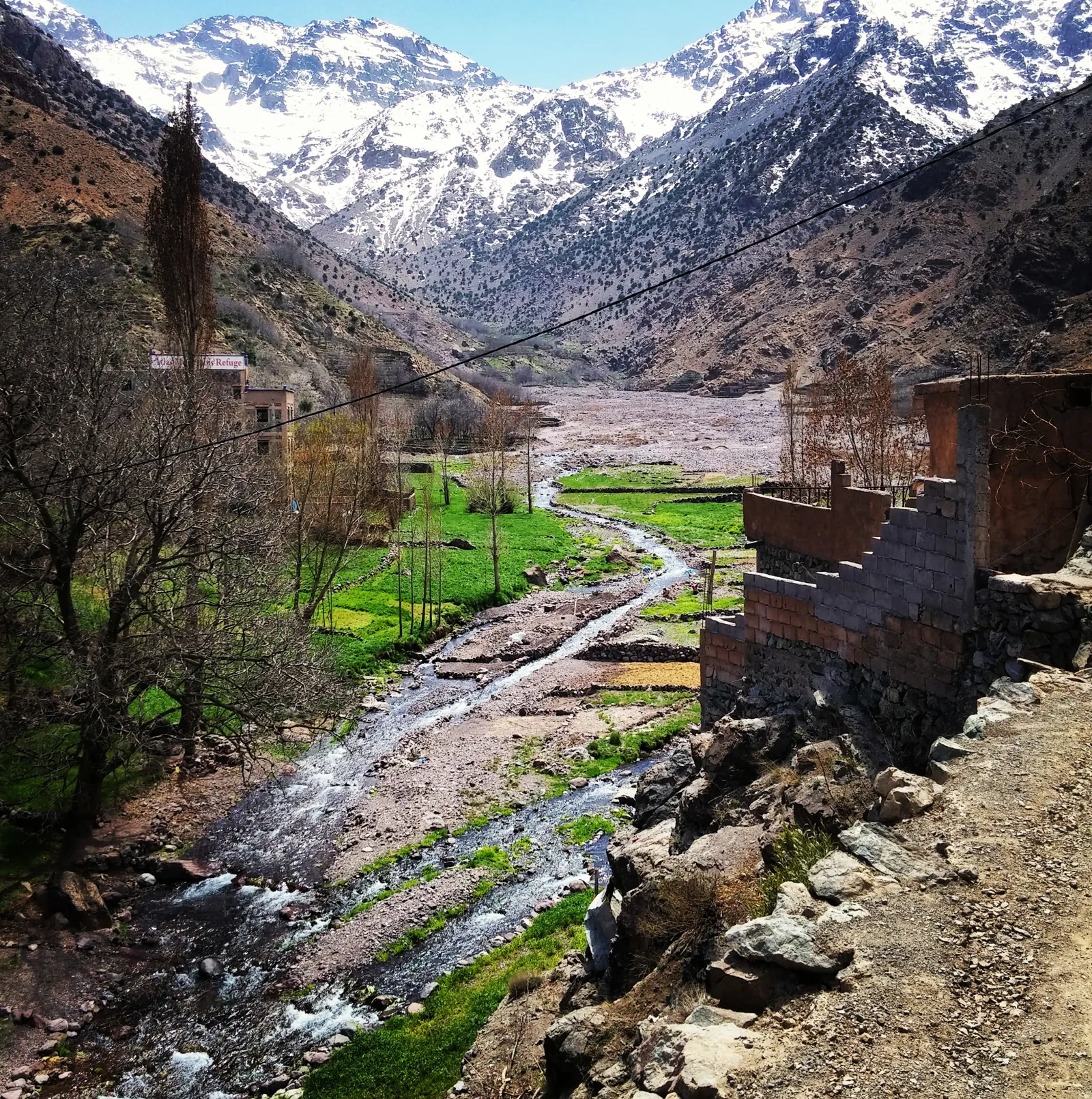
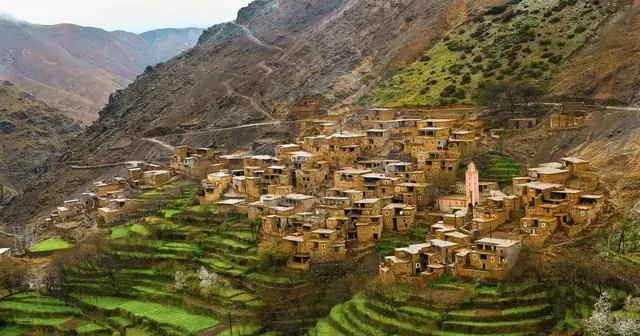
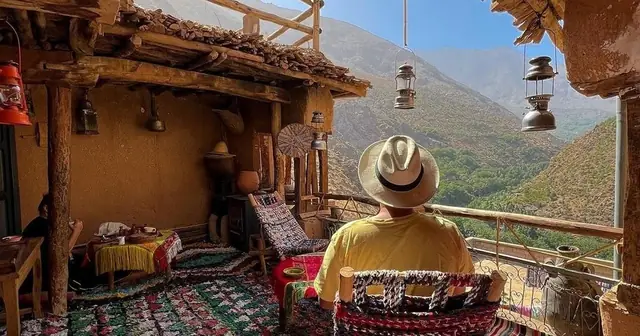
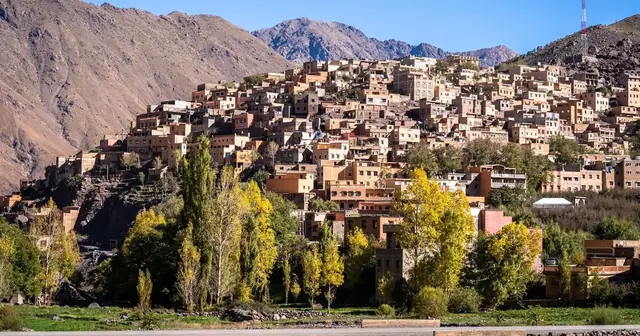
In March, lower valleys can feel like spring while the peaks remain wintry. A village walk near Imlil or a visit to the Ourika Valley is a different undertaking from a high-altitude trek. Ask a local guide about the route, footwear and current conditions; do not treat a summit climb as an ordinary city day trip.
On the drive toward Ouarzazate, check the Tizi n’Tichka road conditions before setting off. Snow, rain or roadworks can change timings. Keep the first night south of the Atlas flexible, travel in daylight where possible and avoid booking a tightly timed sunset activity after a long mountain-road day.
Imlil and Atlas Mountains day trips from Marrakech
Partner links: if you book through GetYourGuide we may earn a small commission, at no extra cost to you. Tours are run by independent operators.
Merzouga in March: warm dunes, cool nights
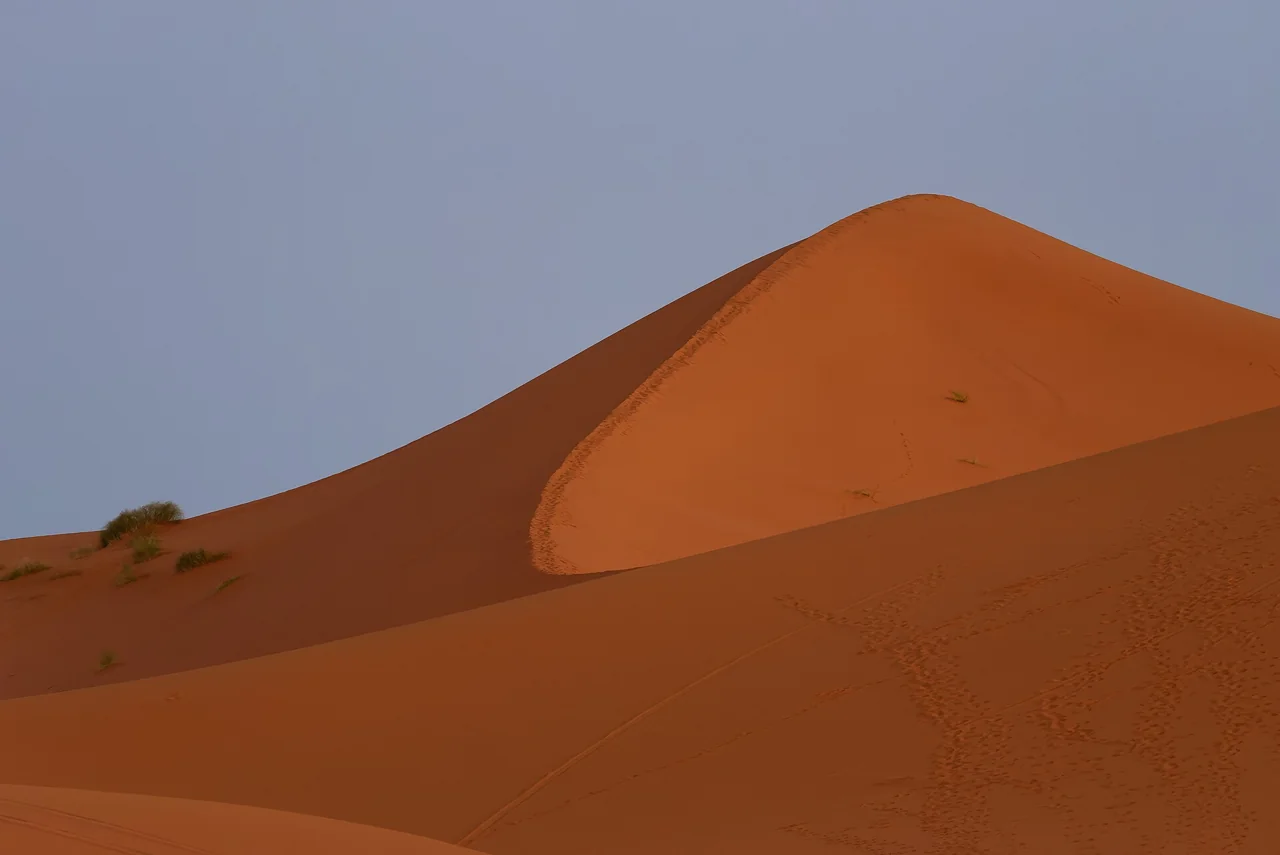
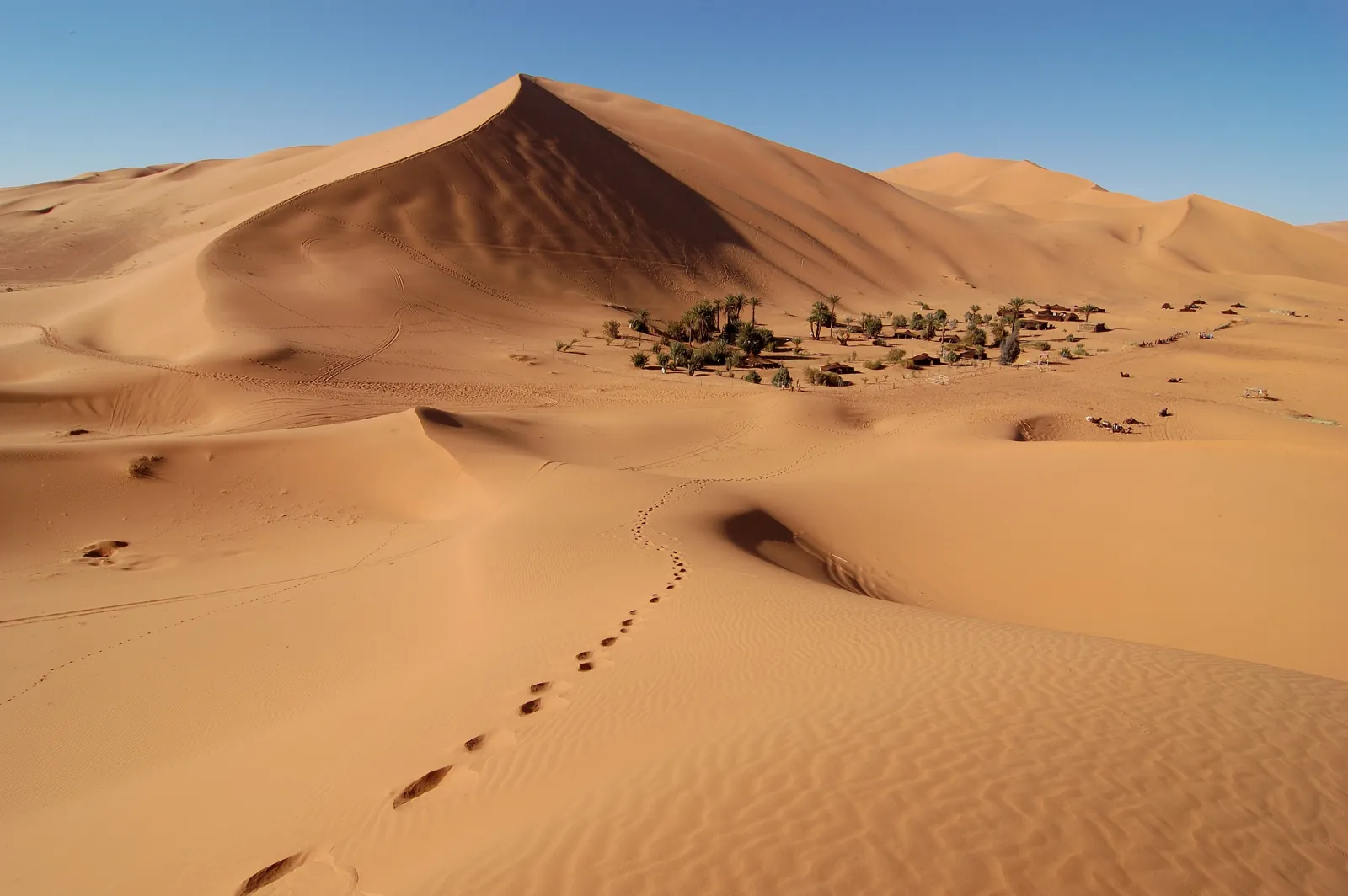
March is a good month for Erg Chebbi because the afternoon heat is usually manageable and evenings are not as cold as midwinter. Our month-by-month guide uses typical values of about 25 °C by day and 9 °C before dawn. Individual days can be warmer or colder. Bring a fleece or jacket for dinner, stargazing and sunrise.
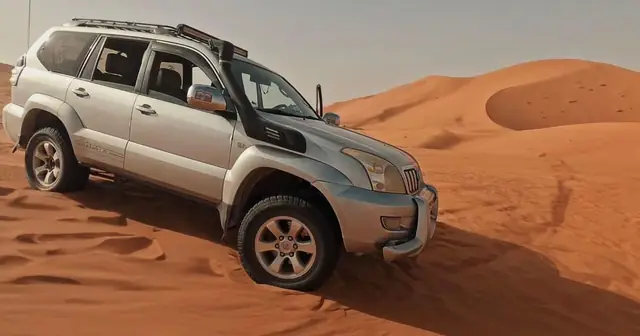
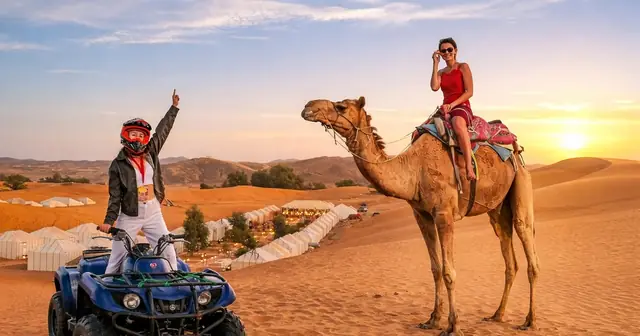
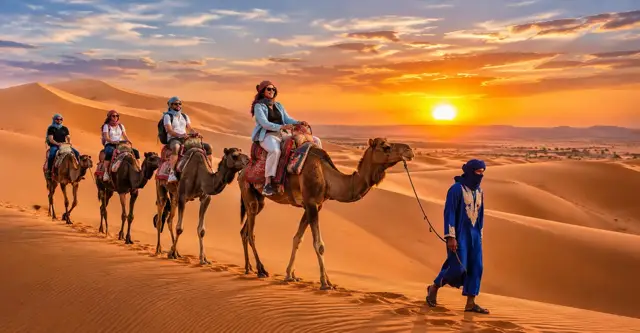
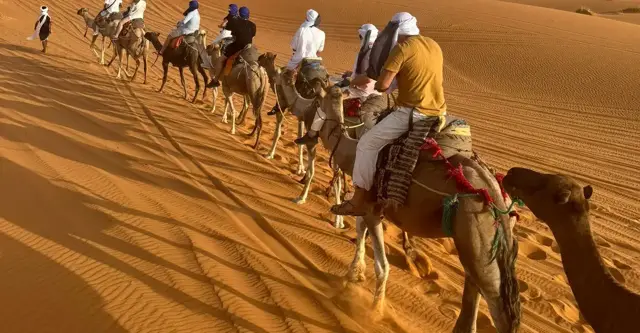
Stay two nights if your itinerary permits. With one night, you may arrive near sunset and leave after breakfast. A second night creates a full day for a 4x4 trip, a camel ride, sandboarding or horse riding, plus time to rest rather than immediately return to the road. Check what your accommodation includes before buying an extra activity.
Things to do in Merzouga
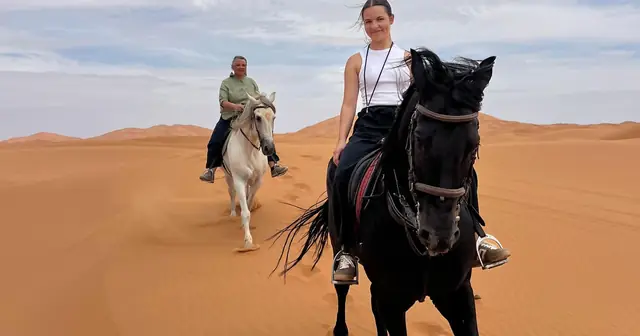
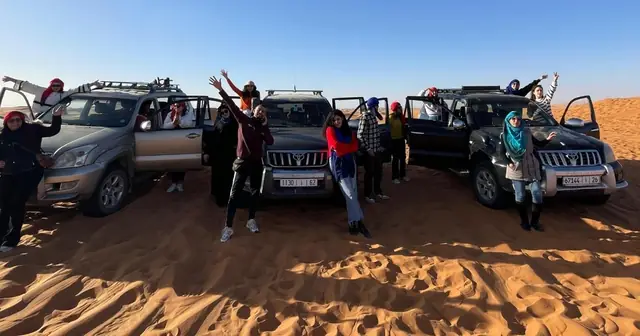
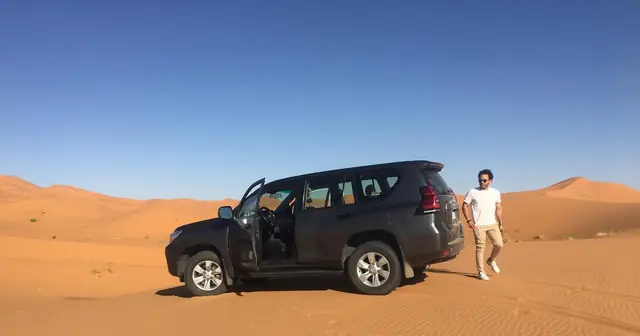
Partner links: if you book through GetYourGuide we may earn a small commission, at no extra cost to you. Tours are run by independent operators.
Spring wind and sandstorms: plan, do not panic
Windy spells are possible in March, especially as spring advances. No honest guide can promise a sandstorm-free stay or predict which day will be affected weeks ahead. Keep a scarf, sunglasses and a protective pouch for your phone handy. If visibility drops, follow your local guide’s advice rather than setting off into the dunes alone.
A two-night stay gives you more room to move an activity, but a rescheduled ride is never guaranteed. Ask the provider about its weather policy and avoid putting the only camel ride immediately before a fixed onward departure. Normal-car access to our camp also means your arrival does not depend on a camel transfer through the sand.
Fes and the coast: keep your rain layer
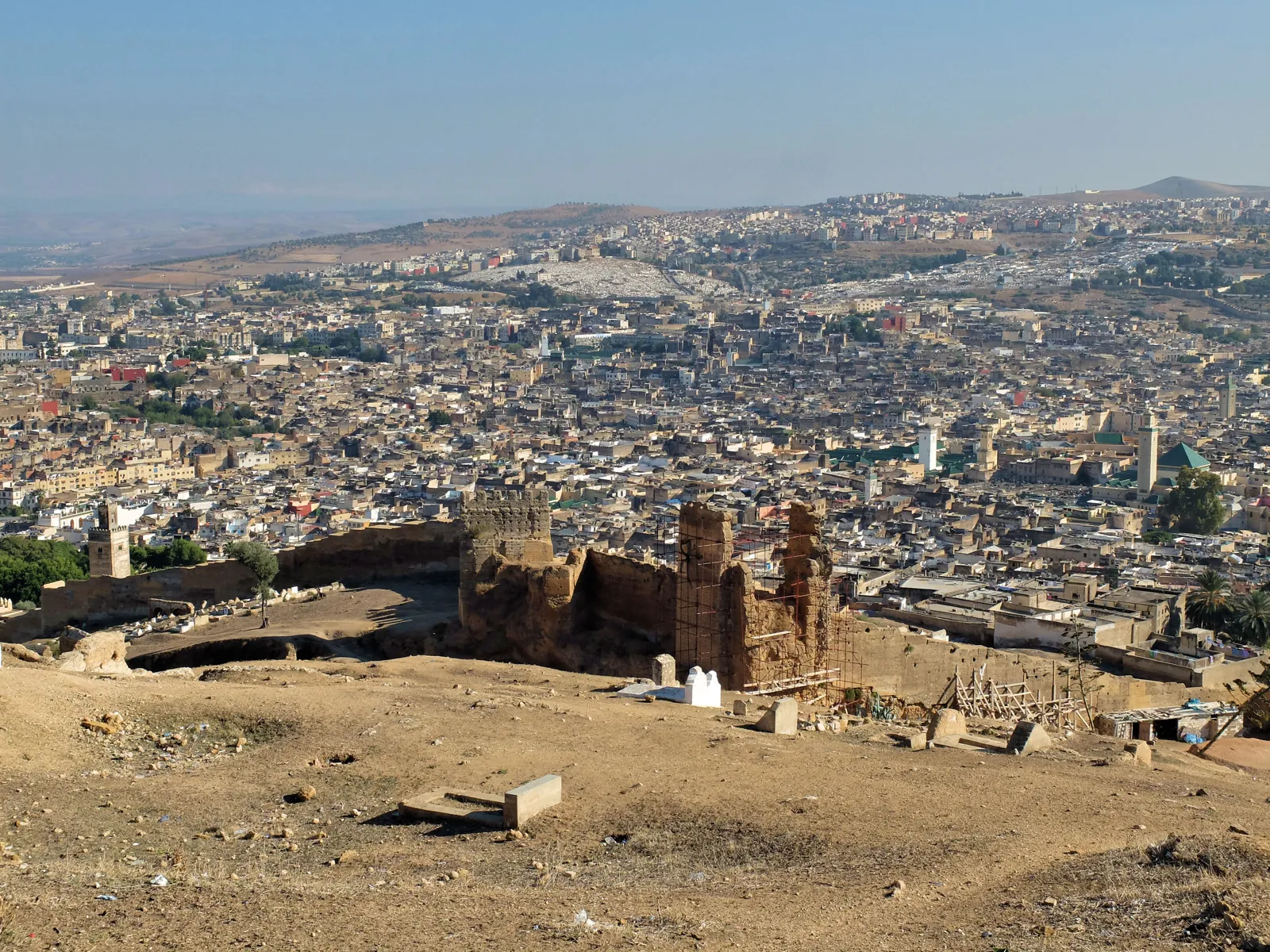
Fes is a natural final stop after Merzouga, reached through the Ziz Valley and the Middle Atlas. Its March weather is milder than winter but can still be showery. Reserve a full day for the medina; add Volubilis and Meknes or Chefchaouen only if you have extra days rather than cutting your desert stay to a few hours.
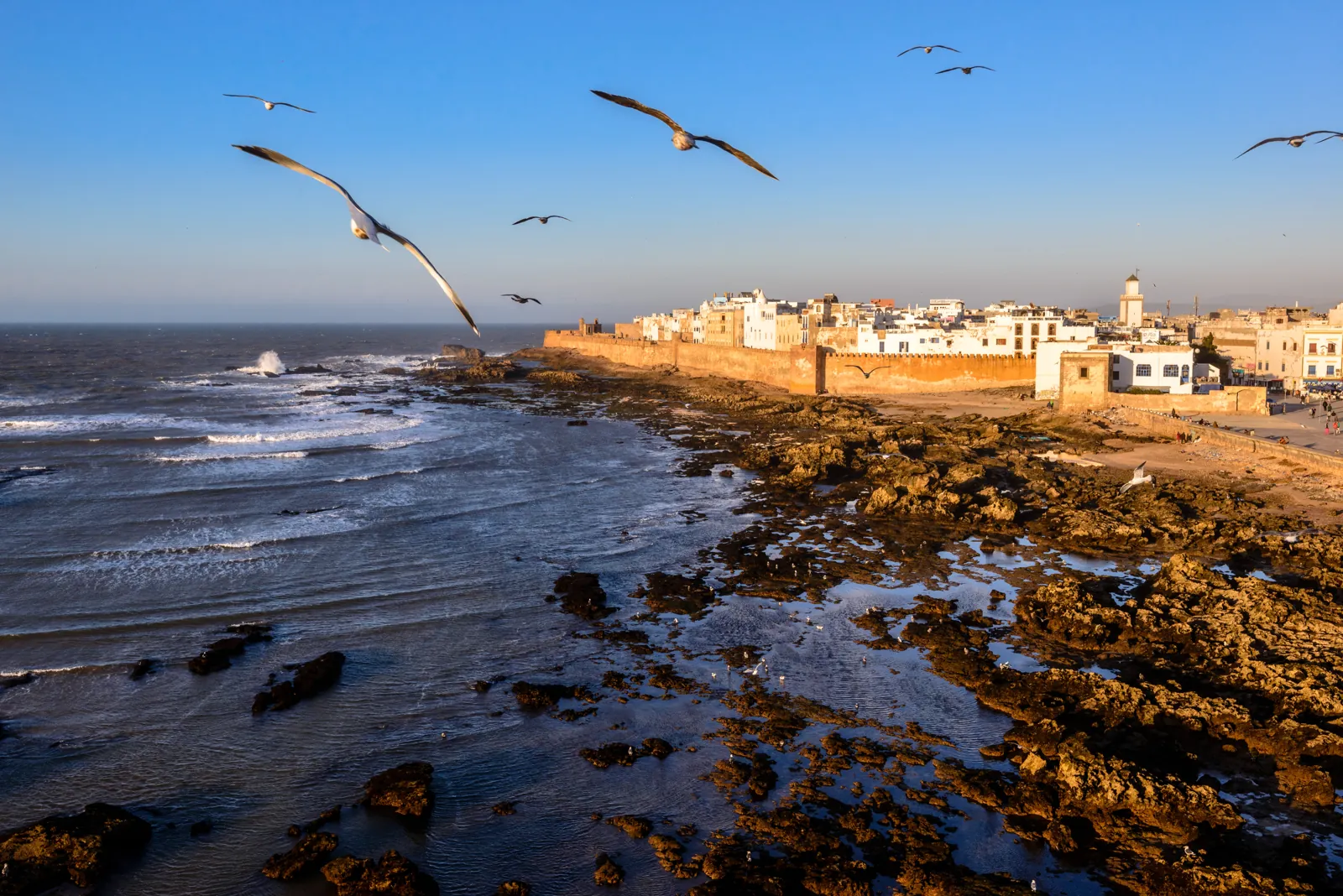
Essaouira is a pleasant coastal alternative if you prefer to return to Marrakech. Enjoy the medina, port and seafront without assuming beach weather: the Atlantic breeze can feel cold even in sunshine. Adding it to the 8-day route below requires extra time or dropping another stop, not squeezing in another long transfer.
Ramadan, Easter and March travel dates
Ramadan follows the lunar calendar and shifts each year, so March is not always Ramadan. Check Morocco’s confirmed dates for your travel year. When they overlap, some local cafés close during daylight hours, monument hours may change and streets become busy around the sunset meal. Confirm restaurant and pickup arrangements rather than assuming the usual timetable.
Tourist accommodation and many visitor-focused restaurants continue operating, but availability varies. Be considerate about eating and drinking in public around people who are fasting. Around Eid, family travel can affect transport and opening hours. Easter and European school holidays can also raise demand; check the calendar for your own year instead of relying on an evergreen guide for exact dates.
An 8-day March itinerary with two Sahara nights
This route starts in Marrakech and ends in Fes. It is a planning outline, not a fixed tour package. Arrange your own car or driver and accommodation, or ask a tour provider to adapt its schedule; a standard 3-day tour usually does not include two nights in Merzouga. Leave an extra night before an important flight if you can.
- 1
Days 1–2 · Marrakech
Settle into your riad, explore the medina and gardens, and keep time for an unhurried lunch. An Atlas day trip is optional, not essential.
- 2
Day 3 · Across the Atlas to Aït Ben Haddou
Cross the mountains in daylight, visit the ksar if road conditions allow and sleep around Ouarzazate or Skoura.
- 3
Day 4 · Dades Valley
Travel east through the valleys, with time for a local walk and an overnight stop rather than rushing all the way to the dunes.
- 4
Day 5 · Todra Gorge to Merzouga
Stop at Todra, then continue to Erg Chebbi. Tell the camp your arrival time; sunset plans depend on the road and weather. First night in Merzouga.
- 5
Day 6 · A full day at Erg Chebbi
Choose a 4x4 trip, camel ride, sandboarding or horse riding, with a relaxed break at the camp. Second night in Merzouga.
- 6
Day 7 · Ziz Valley and Middle Atlas to Fes
Treat this as a full travel day with rest stops. Check mountain conditions and do not schedule an evening flight on arrival.
- 7
Day 8 · Fes medina
Explore the old city before your onward journey. Add another night if your flight or train timetable would otherwise make the day rushed.
Guided tours: check the camp, not only the photo
These hand-picked tours reach Merzouga from Marrakech or Fes. Compare departure city, number of road days, nights actually spent at the dunes, tent category and bathroom arrangements. A longer tour is not automatically two nights in the Sahara. Ask the operator to confirm the named camp and whether heating or air conditioning is included.
Booking an affiliate tour does not guarantee a stay at Merzouga Glamping. If you want our camp specifically, contact us directly and arrange transport separately or ask your driver to include us by name. The links below are affiliate links; we may earn a commission without an extra charge to you.
Hand-picked desert tours to Merzouga
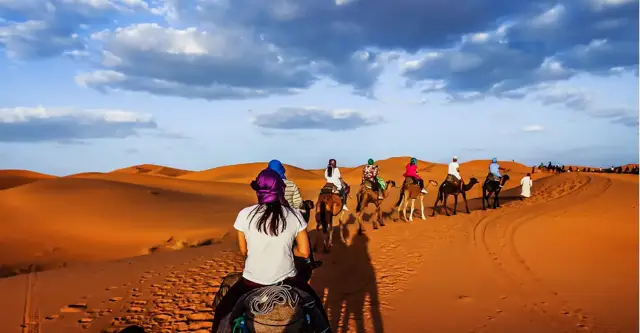
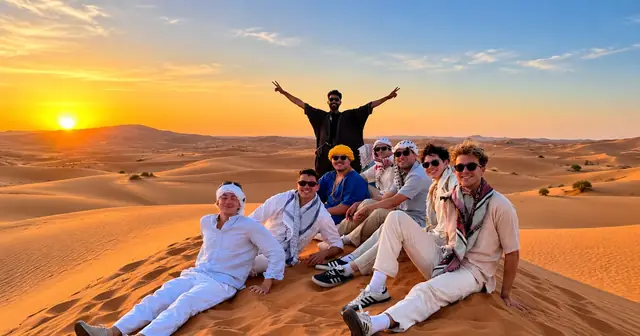
Partner links: if you book through GetYourGuide we may earn a small commission, at no extra cost to you. Tours are run by independent operators.
What to pack for Morocco in March
- Loose trousers and light long-sleeved tops for medinas, sun protection and comfortable camel riding.
- A fleece or warm jacket for desert nights and sunrise; add a warmer layer for high mountain stops.
- A light waterproof and windproof jacket for the north, coast and changeable mountain weather.
- Comfortable closed shoes, socks, sunglasses, sunscreen and a scarf that can cover your face in blowing sand.
- A refillable water bottle, essential medicines and a small bag for overnight camp essentials.
Booking a comfortable March stay at our camp
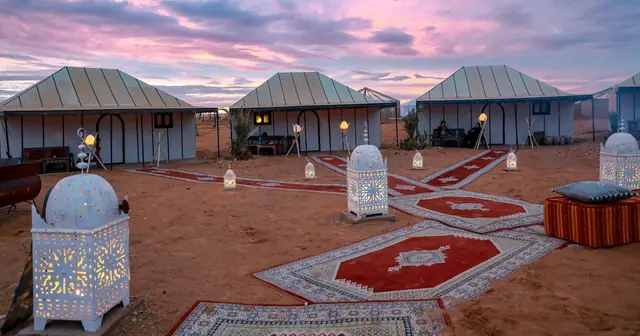
At Merzouga Glamping, private ensuite tents have air conditioning and heating that run day and night. That matters in March, when a warm afternoon can turn into a cool night. The camp is accessible by normal car, so you can keep the scenic road trip separate from your sunset camel ride.
Send your dates, guest count and arrival plan before committing to a tight itinerary. We can check availability for one or two nights and explain what is included. Read the current all-inclusive details and cancellation terms before confirming; no payment is taken through the website enquiry form.
Planning a March night at Erg Chebbi? Tell us your dates and whether you would like one or two nights.
Check March availabilityMarch or another month?
February is generally cooler, particularly before dawn in the Sahara. April tends to bring warmer afternoons but can still be windy. Choose March for a balanced city-and-desert trip rather than guaranteed beach heat; choose your actual dates around flights, holidays and the time you can give the dunes.
Sources and photograph credits
Marrakech and Fes temperatures are rounded from Timeanddate station averages for 1992–2021. Merzouga figures follow our established local seasonal guide and are approximate, not measured forecasts. The photographs illustrate places, not conditions on a particular March date. Cropped and resized CC BY-SA images retain their original licences. Tour prices, availability, weather and opening hours can change.
- Marrakech climate averages
- Fes climate averages
- Erg_Chebbi_Maroc.jpg · Rosino · CC BY-SA 2.0
- Agdal_garden,_Marrakech_(2847839030).jpg · mwanasimba from La Réunion · CC BY-SA 2.0
- Imlil,_Atlas_Mountains.jpg · Elh.yassine · CC BY-SA 4.0
- Fes_medina_walls_DSCF3737.jpg · R Prazeres · CC BY-SA 4.0
- Essaouira_Atlantic.jpg · Sergey Pesterev · CC BY-SA 4.0
- CC BY-SA 2.0
- CC BY-SA 4.0
Frequently asked questions
Is March warm enough for a Sahara camp stay?+
Usually yes. Merzouga has typical afternoons around 25 °C, but nights can be around 9 °C or colder. Bring a warm layer and choose a tent with heating. These are planning averages, not a forecast.
Are sandstorms possible in Merzouga in March?+
Yes. Spring can bring windy spells and blowing sand. Pack a scarf and sunglasses, follow local advice and keep your activity schedule flexible. A two-night stay offers more flexibility but does not guarantee calm weather.
How many nights should I spend in Merzouga?+
We suggest two nights when your itinerary allows. That gives you a full day at the dunes between arrival and departure. One night still works, but often leaves only sunset and sunrise around long driving days.
Can I wear shorts in Morocco in March?+
You may find warm afternoons, but loose trousers and light layers are more versatile for medinas, cool evenings and camel rides. Dress considerately around religious places and carry a jacket for the desert night.
Is Ramadan always in March?+
No. Ramadan moves through the solar calendar each year. Check the confirmed Moroccan dates for your travel year and ask about restaurant, transport and monument hours when your dates overlap.
Do the affiliate tours stay at Merzouga Glamping?+
Not necessarily. The operator chooses the camp for its package. To book Merzouga Glamping specifically, contact us directly and ask your driver or tour provider to include our camp by name.
Plan the rest of your desert stay
Stay with us in Merzouga
Private ensuite tents with air conditioning and heating, dinner and breakfast, the sunset camel ride and sandboarding — all included.
Request availability