Quick answer
- Marrakech by day
- About 18 °C
- Nights around 6 °C
- Sahara at night
- Around 2–3 °C
- Sunny days around 17 °C
- Season
- Low season
- Quiet and good value after the first days of January
- Holidays
- 1, 11 and 14 January
- Including Yennayer, the Amazigh New Year
Need a driver? We can arrange your transfer — message us on WhatsApp.
January is Morocco’s coldest month, and also one of its most underrated. Once the New Year crowds leave, the medinas are calm, prices drop, the High Atlas is white with snow and the Sahara has some of the clearest skies of the year.
The secret is to plan for two climates in one day: bright, mild sunshine and properly cold nights. This guide explains what January is really like in each region, which places are best, and how to stay warm where it matters, especially in the desert.
The short answer: is January a good time to visit Morocco?
- Yes, if you like quiet travel and sunshine more than heat. Most days are clear, with 15–21 °C in the cities, the south and the desert.
- Nights are the coldest of the year: around 5 °C in Marrakech and Fes, close to freezing in the desert, and well below in the mountains.
- It is low season. After the first days of January, riads, drivers and desert camps are easier to book and often cheaper.
- The Atlas is snowy. Snow makes mountain days beautiful, but it can close passes for a few hours.
- Heating is what makes or breaks a January trip. Choose rooms and desert tents that are properly heated.
January weather in Morocco, city by city
Typical January values. Real days can be warmer or colder, and the mountains change quickly.
| Place | Day | Night | Rainy days | What it feels like |
|---|---|---|---|---|
| Marrakech | 18 °C | 6 °C | About 4 | Sunny and pleasant by day, cold after sunset |
| Fes | 16 °C | 4 °C | About 8 | Cool, some grey and rainy days |
| Chefchaouen | 14 °C | 5 °C | About 10 | The wettest stop on most routes |
| Ouarzazate | 17 °C | 1 °C | Rare | Bright days, frosty nights |
| Merzouga (Sahara) | 17 °C | 3 °C | Rare | Dry, sunny and calm, with cold nights |
| Agadir | 21 °C | 8 °C | About 4 | The warmest city; sea around 17 °C |
| Imlil (High Atlas, 1,740 m) | 8 °C | −2 °C | Several | Snow likely, freezing nights |
Approximate climate averages, not a forecast. Rain usually comes in short spells.
Pros and cons of visiting in January
| Good reasons to go | Things to plan for |
|---|---|
| Quiet medinas and sites, with few tour groups | The coldest nights of the year |
| Low-season prices after the New Year week | Unheated riads and budget rooms can be chilly |
| Snow on the Atlas and the chance to ski | Snow can close mountain passes for a few hours |
| Clear desert air and long, starry nights | Short days, with about 10 hours of light |
| Oranges, clementines and warming winter food | More rain in Fes and the north |
Marrakech in January
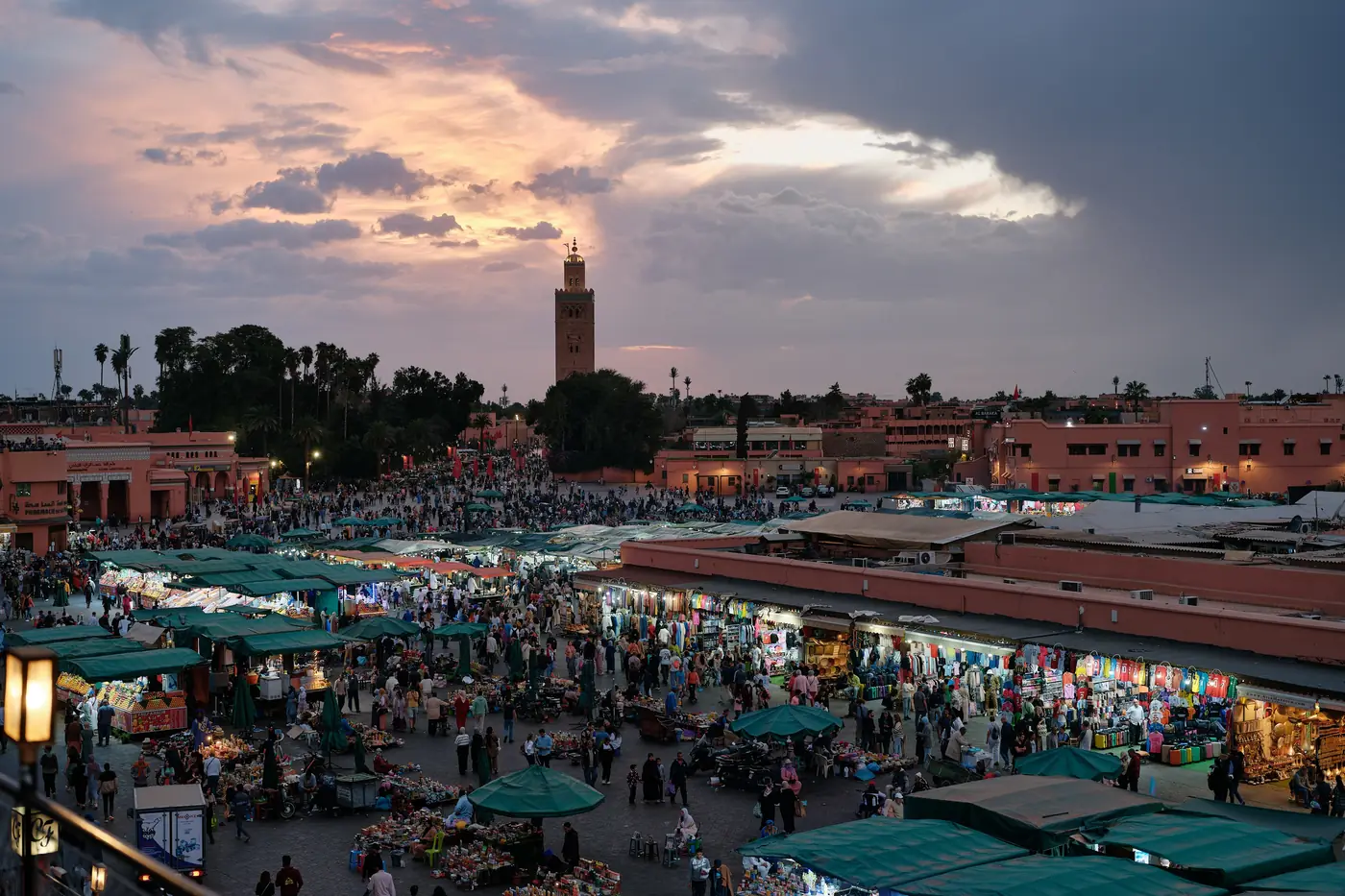
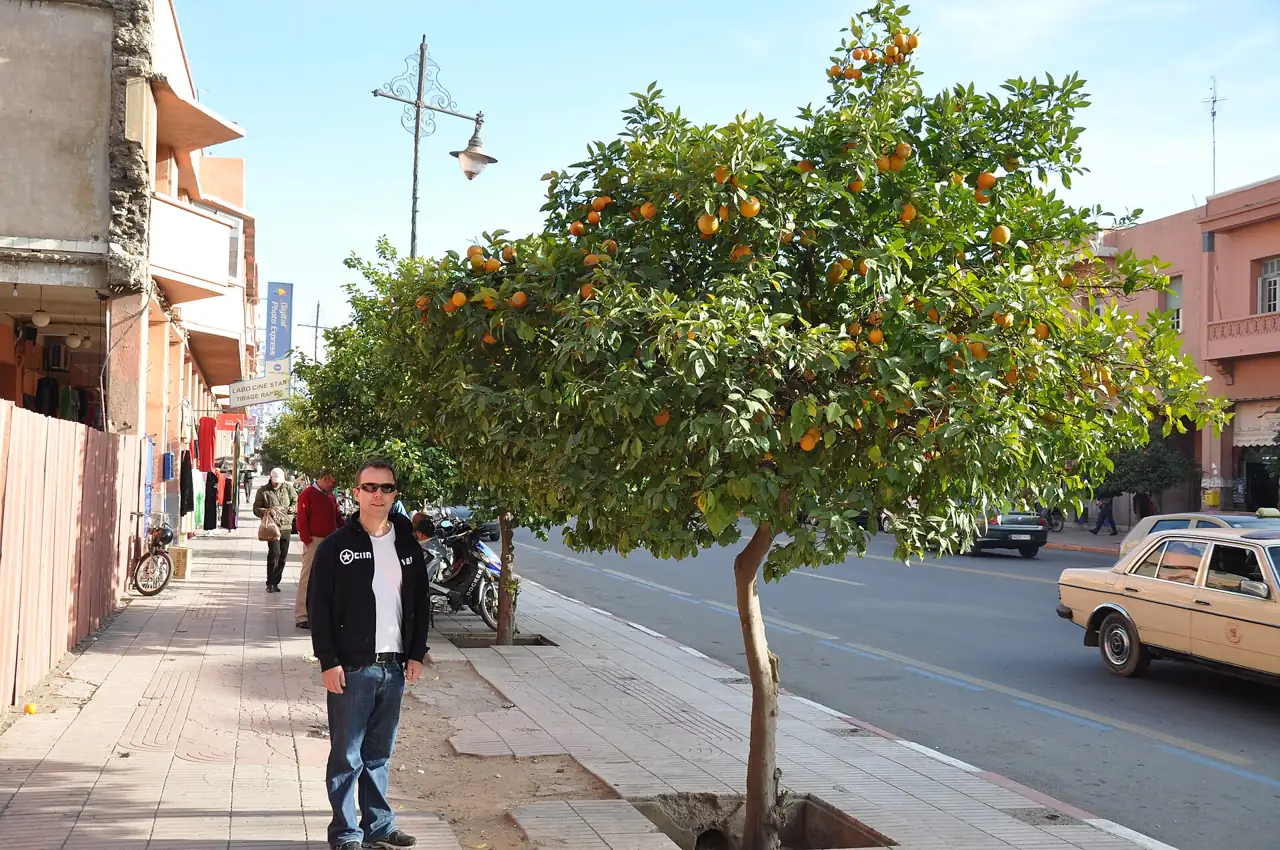
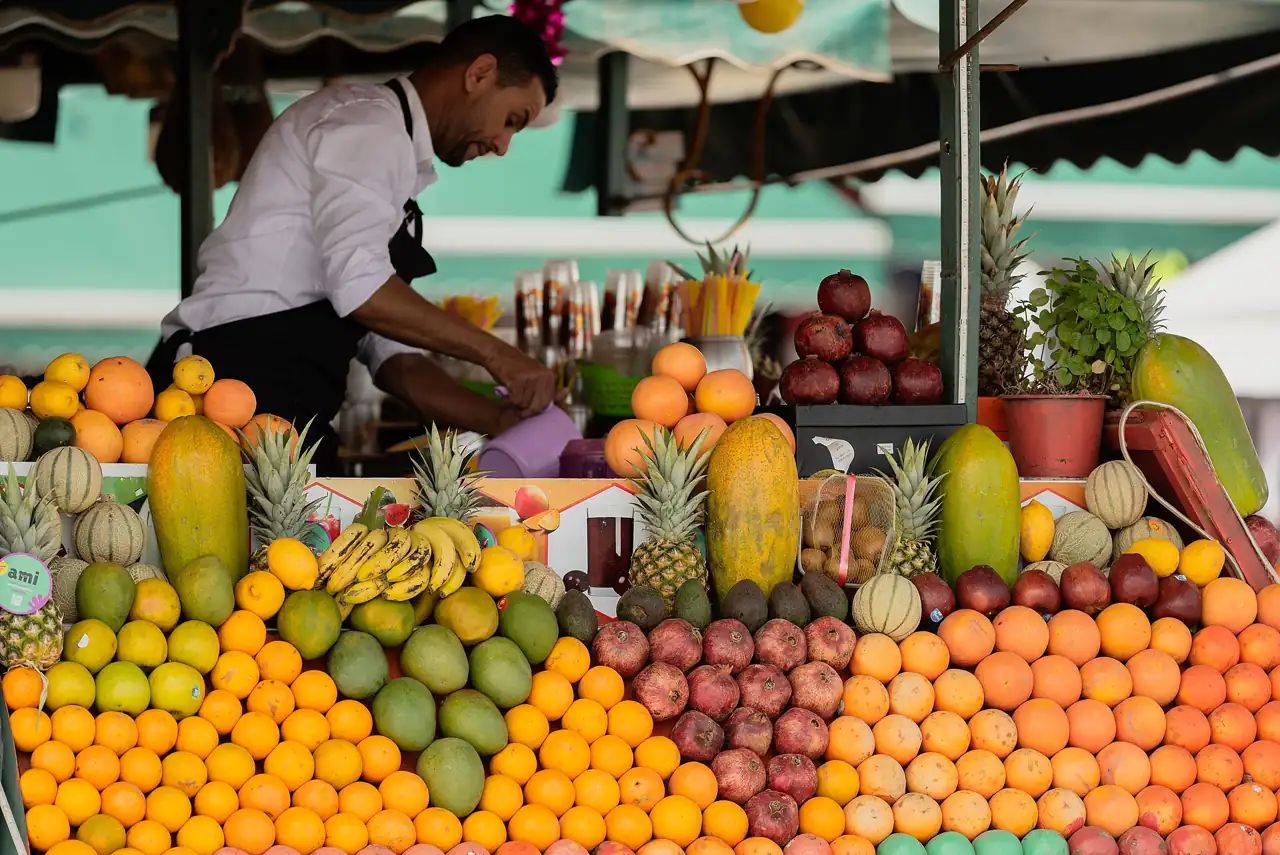
Marrakech is the easiest city to enjoy in January. The sun is warm enough for long walks through the souks, gardens and palaces, café terraces fill at lunchtime, and on clear days the snowy High Atlas rises behind the city. Orange trees line many streets, and juice stalls on Jemaa el-Fna sell fresh oranges and clementines by the glass.
Evenings are cold, so carry a warm layer for dinner, and check that your riad has real heating, not just a fan heater in a room around an open courtyard. Late January often brings the Marrakech Marathon, which fills hotels for one weekend.
Snow in the Atlas: Imlil, Oukaïmeden and Ifrane
January is usually the snowiest month in the mountains. From Marrakech, Imlil and the Ourika Valley are easy day trips with snowy views; village walks are still possible, but higher trails can be icy. Climbing Toubkal in winter is a real mountaineering trip that needs crampons, an ice axe and a qualified guide.
Oukaïmeden, about 75 km from Marrakech, and Michlifen near Ifrane are Morocco’s ski areas. They only open when there is enough snow, which changes a lot from year to year, so check close to your dates. Even without skiing, a morning in the snow and an afternoon in the sunny desert is one of the most surprising contrasts in Morocco.
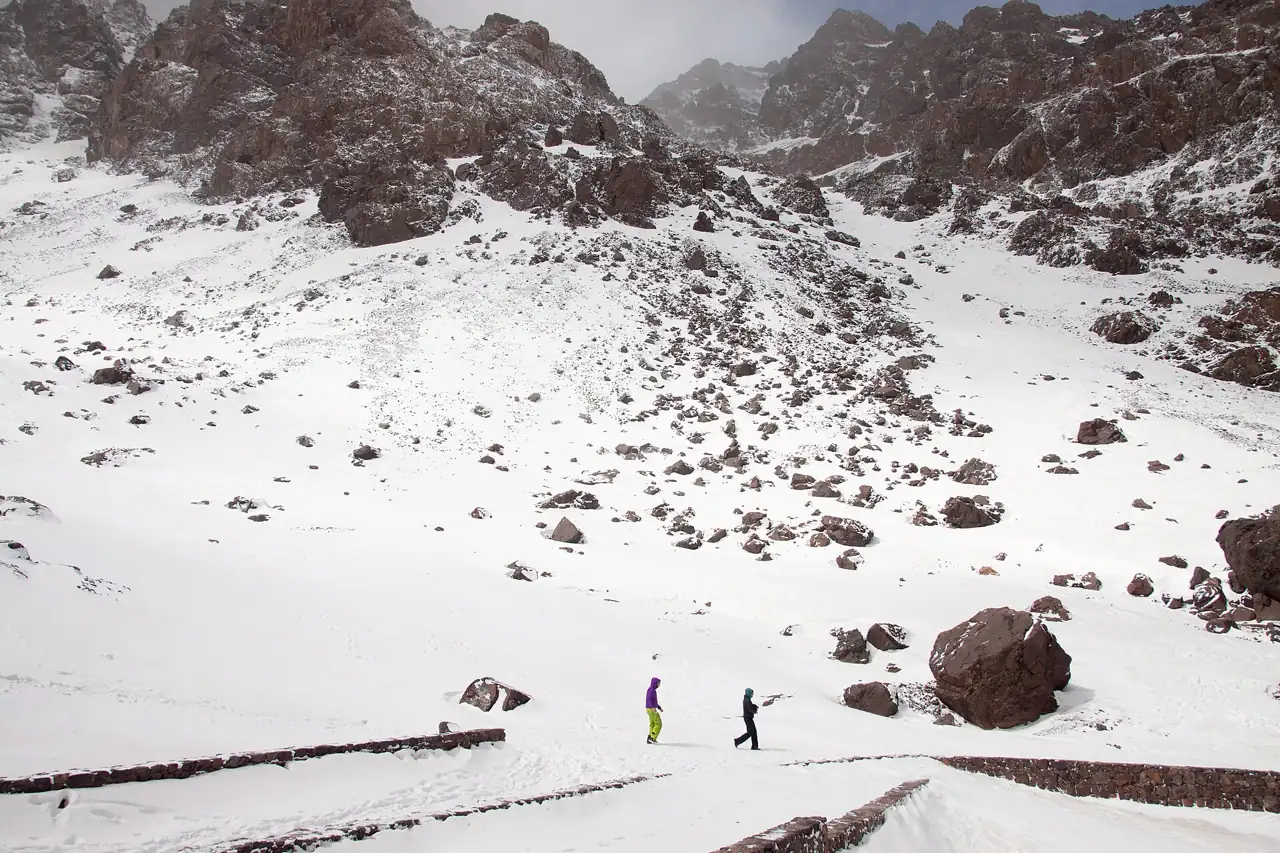
Winter mountain day trips from Marrakech and Fes
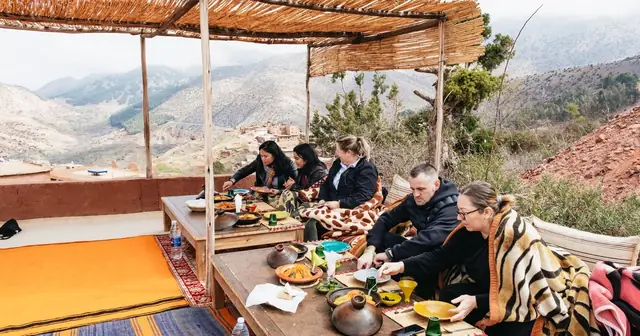
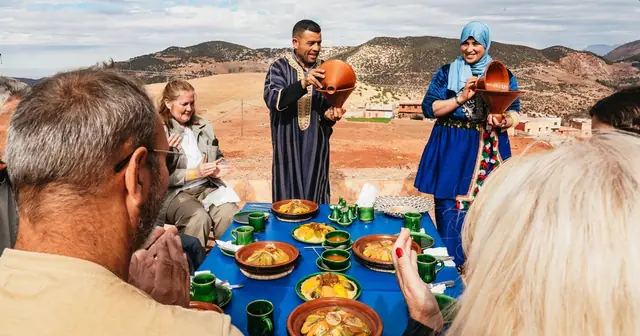
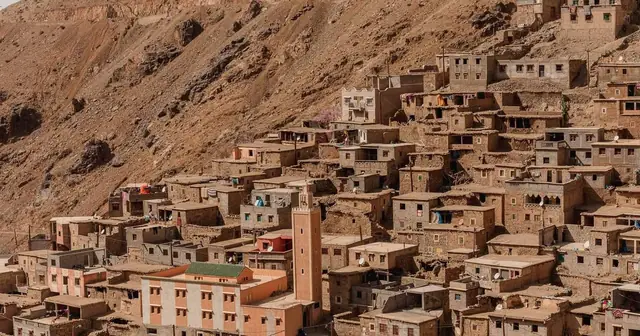
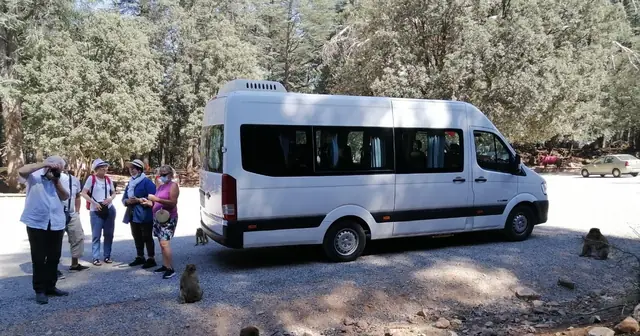
Partner links: if you book through GetYourGuide we may earn a small commission, at no extra cost to you. Tours are run by independent operators.
Fes, Chefchaouen and the north
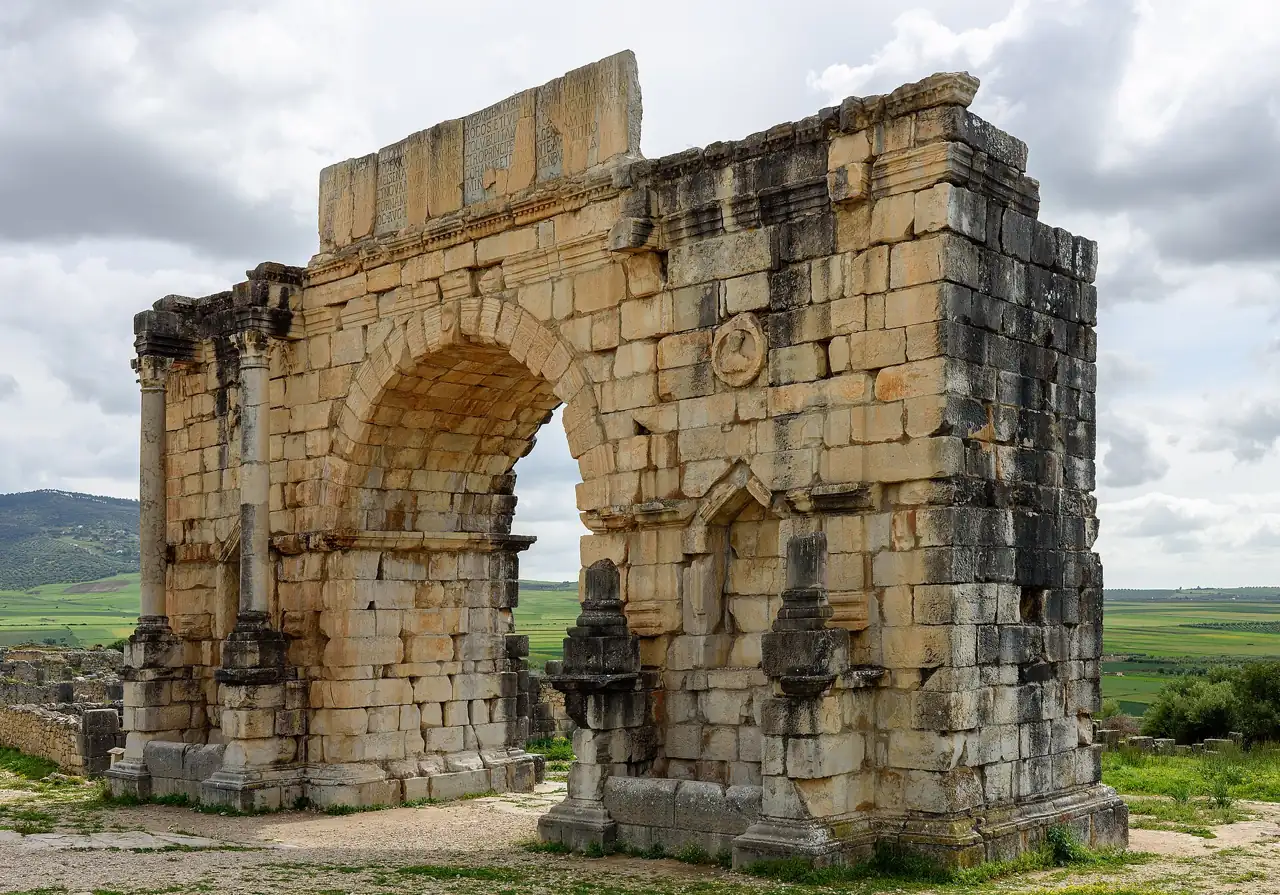
Fes is cooler and wetter than Marrakech in January, but the medina is at its most authentic, with few visitors in the tanneries and madrasas. Bring a waterproof jacket and shoes with good grip for wet stone lanes. On a dry day, Volubilis and Meknes make an excellent day trip.
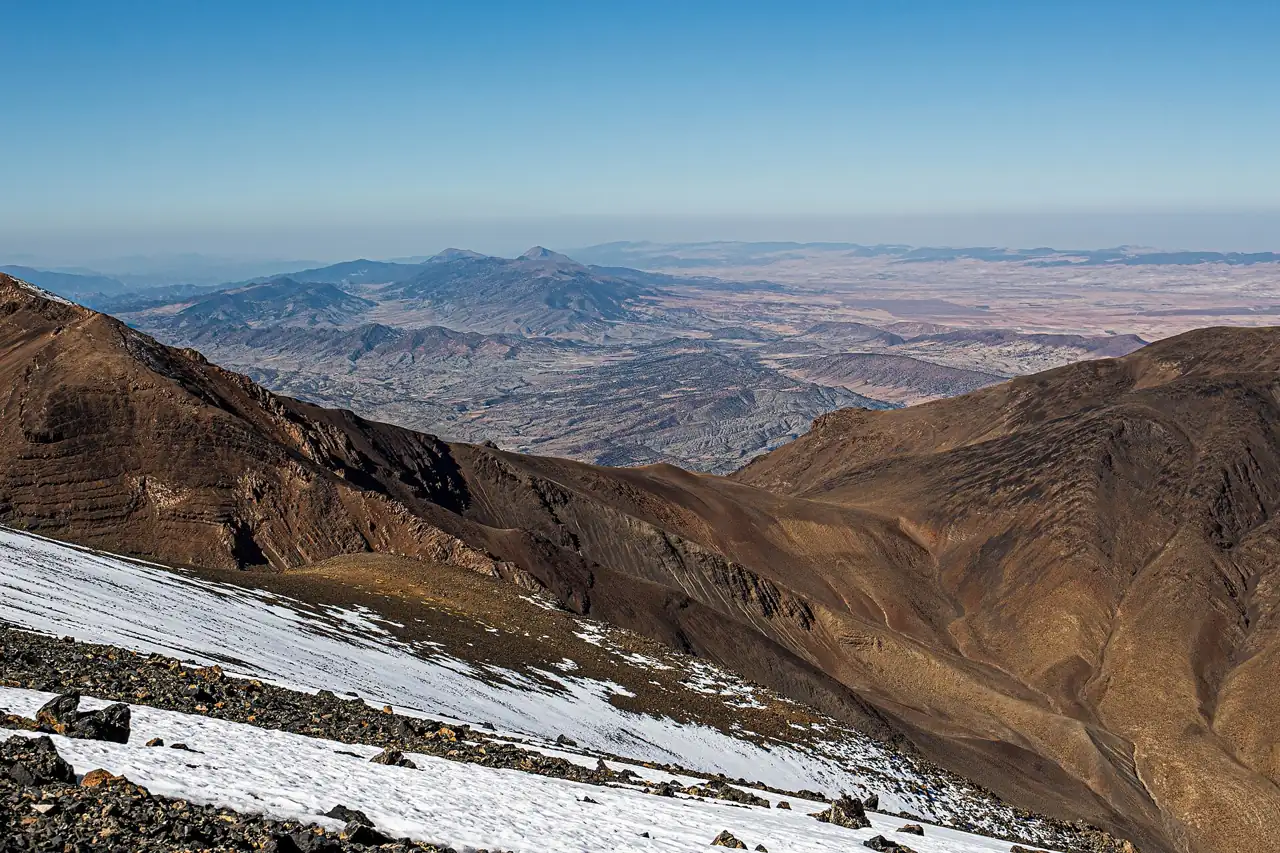
Chefchaouen is the rainiest stop on a typical route, so keep its day flexible. Between Fes and the Sahara, the road crosses the Middle Atlas, where Ifrane, Azrou and the cedar forests often have snow, and the snowy summit of Jebel Ayachi rises above Midelt.
The south: Ouarzazate, Skoura and the valleys
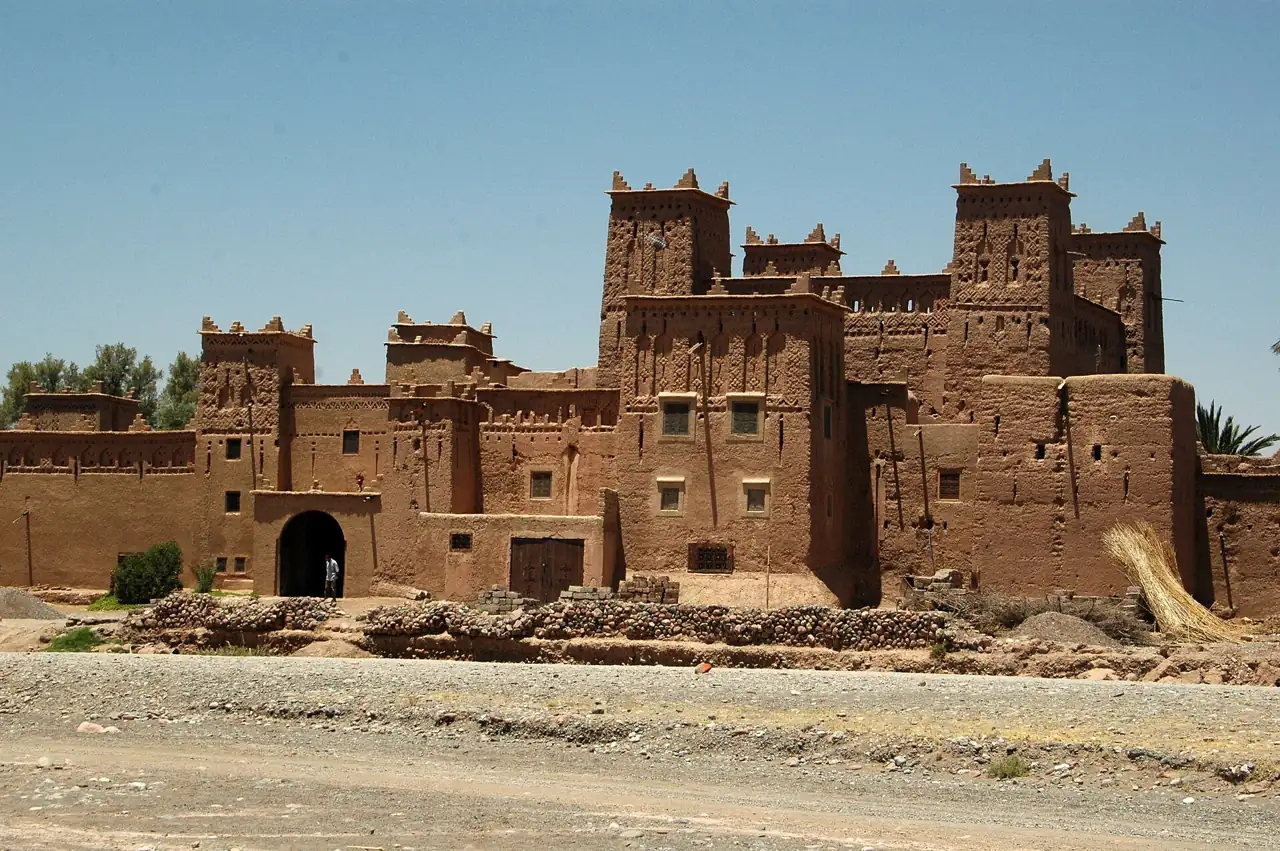
South of the High Atlas, January days are dry and bright, perfect for photographing kasbahs, palm groves and red-earth villages. Aït Ben Haddou, the Skoura oasis, the Dades Valley and the Todra Gorge are all lovely in winter light and much quieter than in spring.
Nights here are frosty, often around freezing. Old kasbah guesthouses have thick earthen walls that keep warmth in, but always ask about heating and blankets before you book.
The Sahara in January: Merzouga and Erg Chebbi
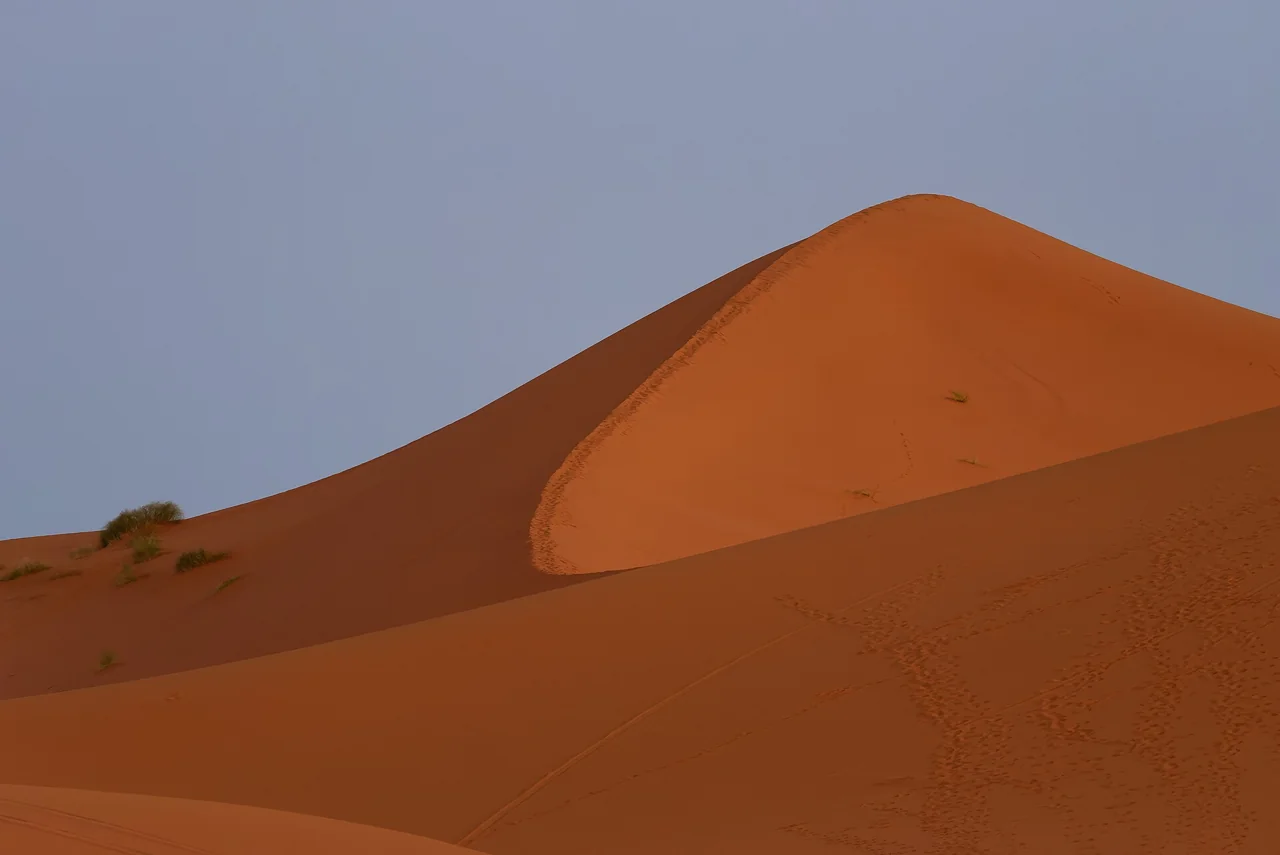
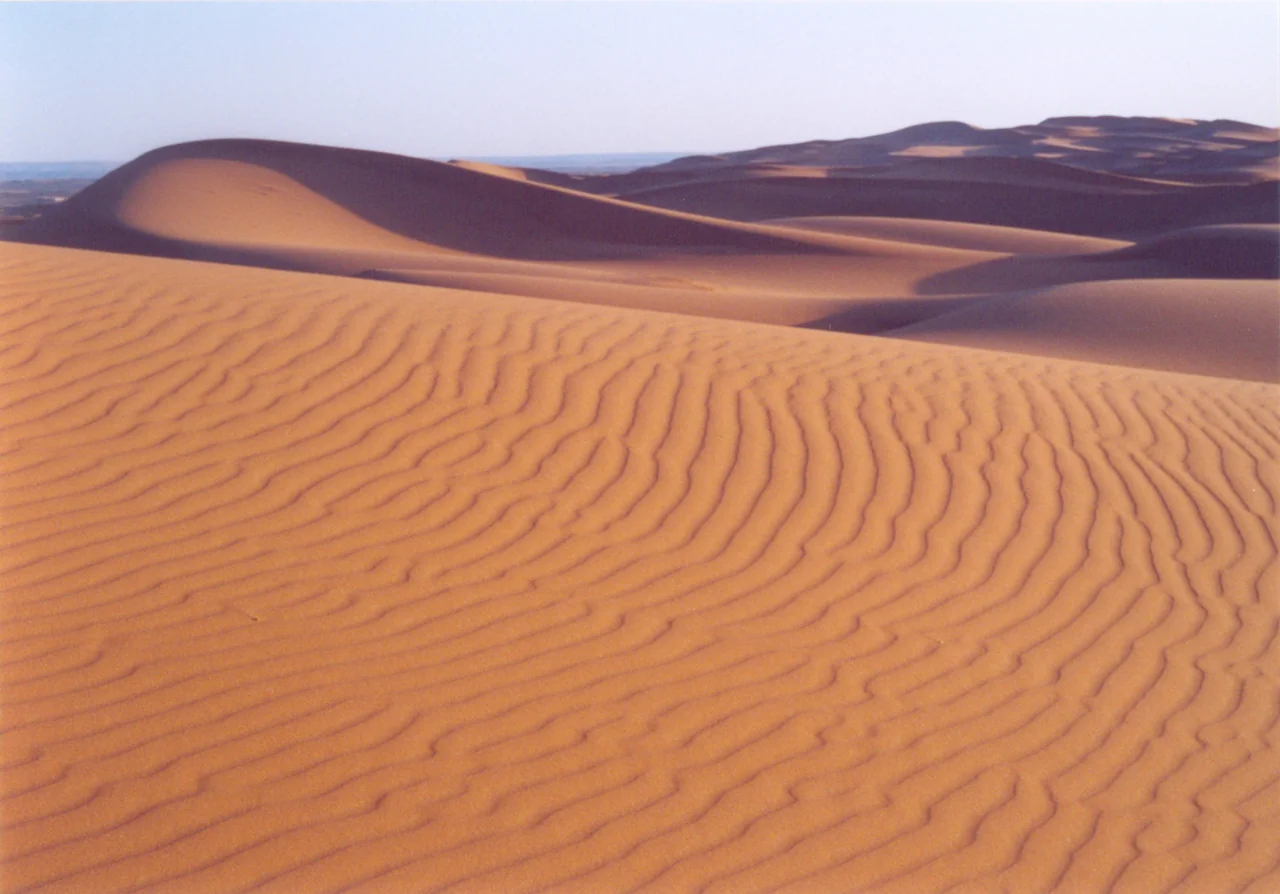
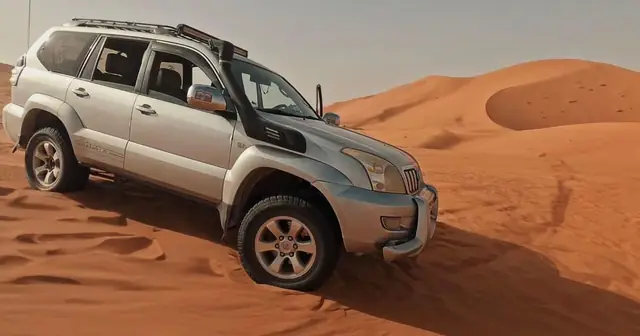
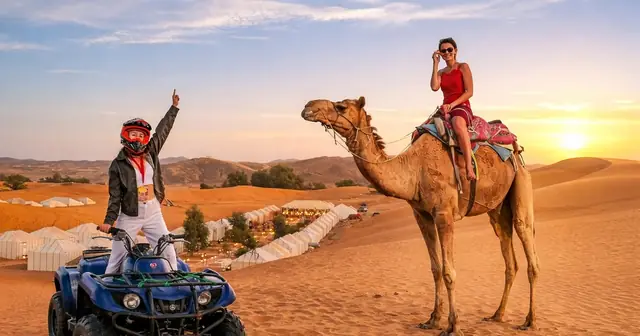
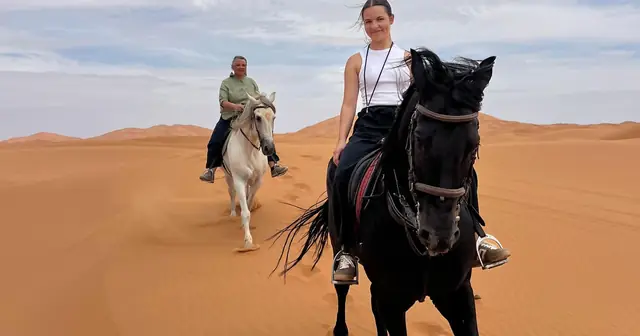
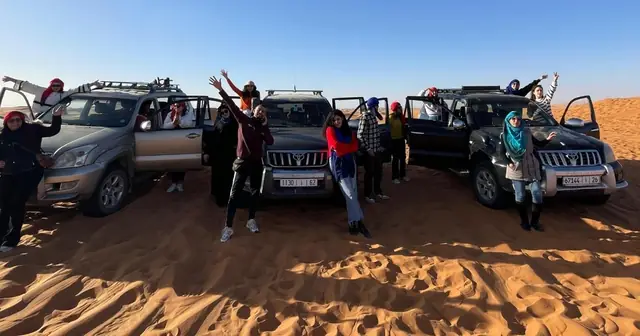
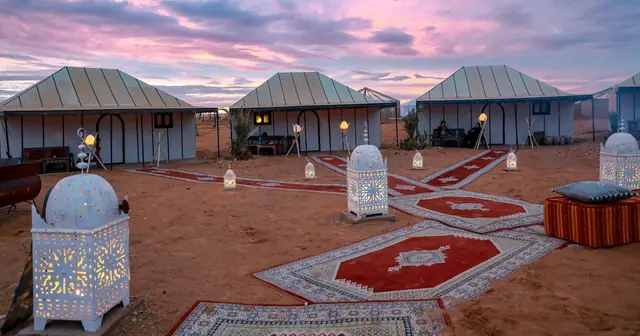
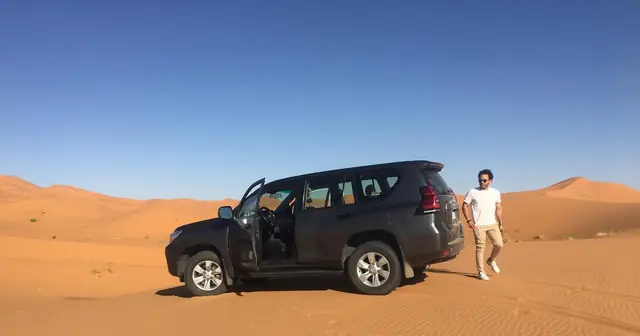
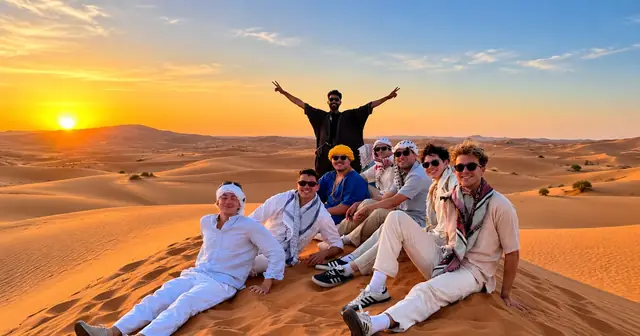
January is a wonderful month in the desert if you are ready for cold nights. Days in Merzouga are usually sunny and calm, around 17 °C, which is ideal for camel rides, 4x4 tours, sandboarding and climbing the high dunes of Erg Chebbi without the summer heat.
After sunset, the temperature falls fast, to around 2–3 °C and sometimes below freezing. The reward is the sky: January nights are long, dry and very dark, and the Milky Way and thousands of stars appear above the dunes. In a heated tent with thick bedding and a private bathroom, it is a magical night rather than a test of endurance.
These hand-picked activities in Merzouga are most pleasant between late morning and sunset in winter.
Things to do in Merzouga
Partner links: if you book through GetYourGuide we may earn a small commission, at no extra cost to you. Tours are run by independent operators.
The coast: Agadir, Taghazout and Essaouira
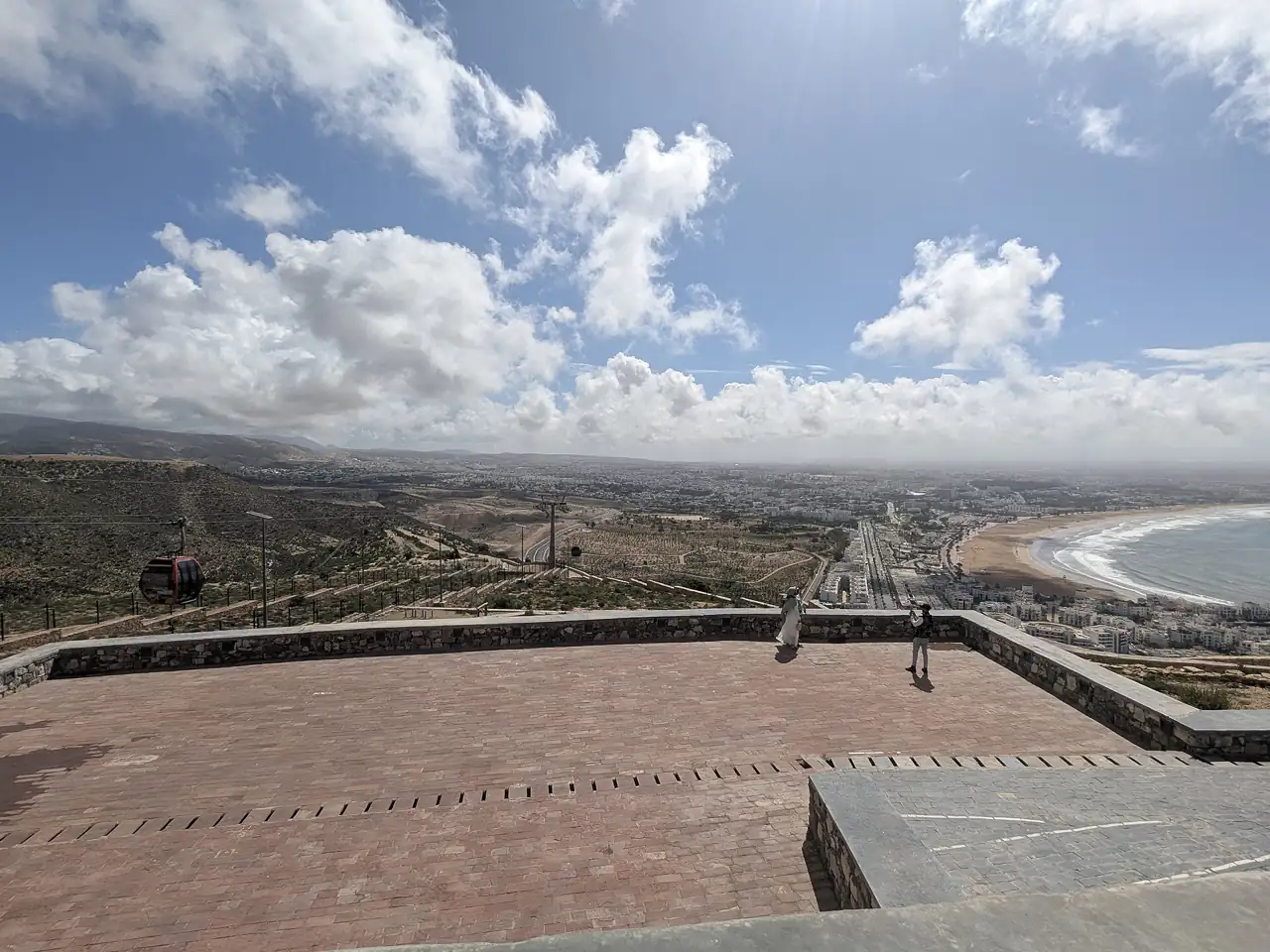
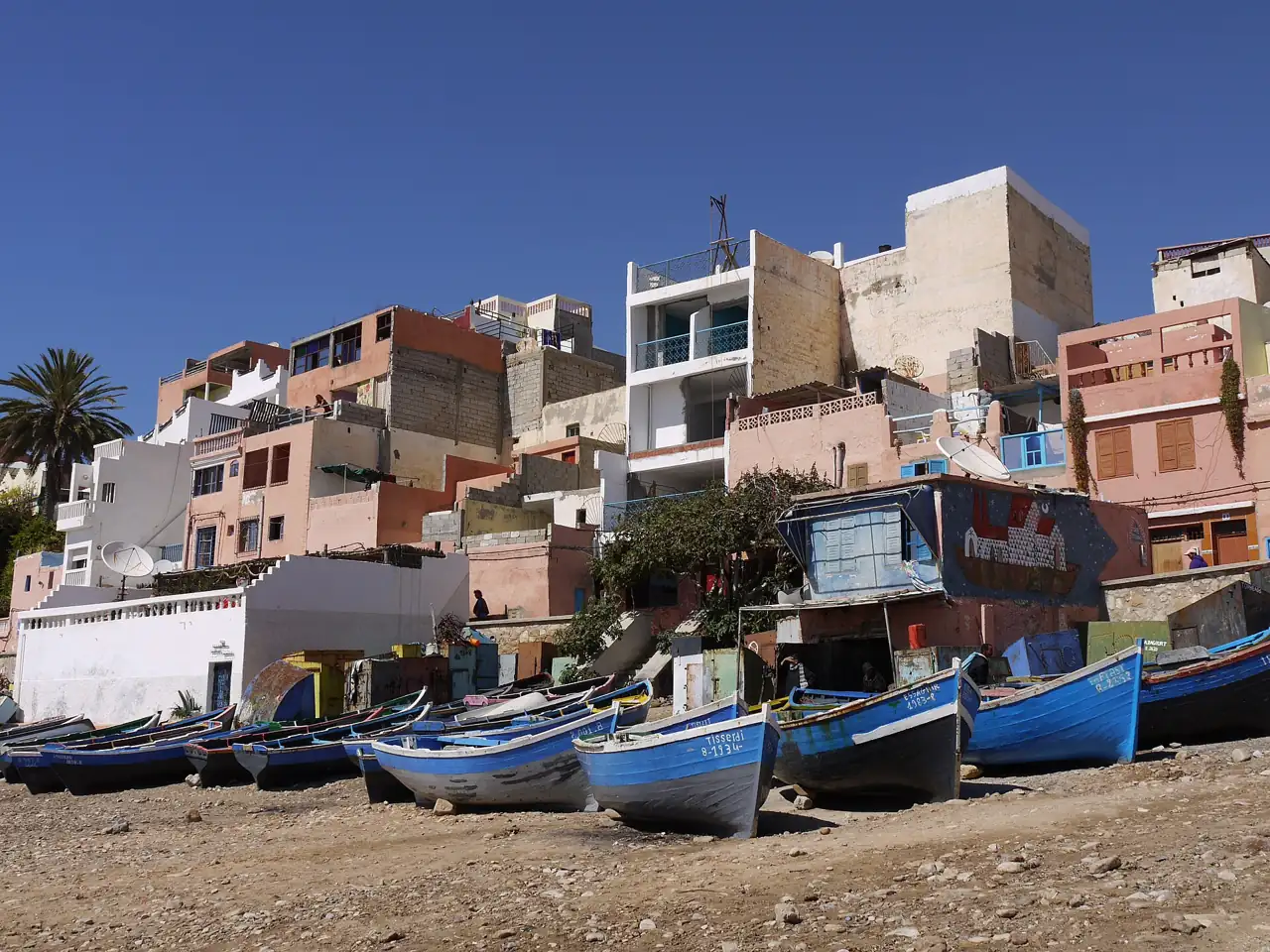
For the warmest January days, go south-west to the Atlantic. Agadir is usually around 21 °C in the afternoon, with long sunny beaches, though the sea is fresh at about 17 °C. Nearby Taghazout is at its best for surfers in winter, when the big Atlantic swells arrive.
Essaouira is mild but often windy, so evenings feel cool. It is an easy day trip from Marrakech, or a relaxing stop for a few nights after the desert.
Holidays and events in January
- 1 January: New Year’s Day is a public holiday. The first days of January are still busy and more expensive after the New Year festivities.
- 11 January: Proclamation of Independence Day, a national holiday. Banks and offices close, but tourist sites and shops usually stay open.
- 14 January: Yennayer, the Amazigh (Berber) New Year, has been an official holiday since 2024. Families share a special meal, such as couscous with seven vegetables or a barley porridge, and in the south you may see music and celebrations.
- Late January: the Marrakech International Marathon is usually held on a Sunday in late January. Check the date if you plan to stay in Marrakech that weekend.
- Ramadan moves about 11 days earlier each year. Around 2028 to 2030, it starts in January; check the dates for your trip, as daily rhythms change during the month of fasting.
Winter food to look for
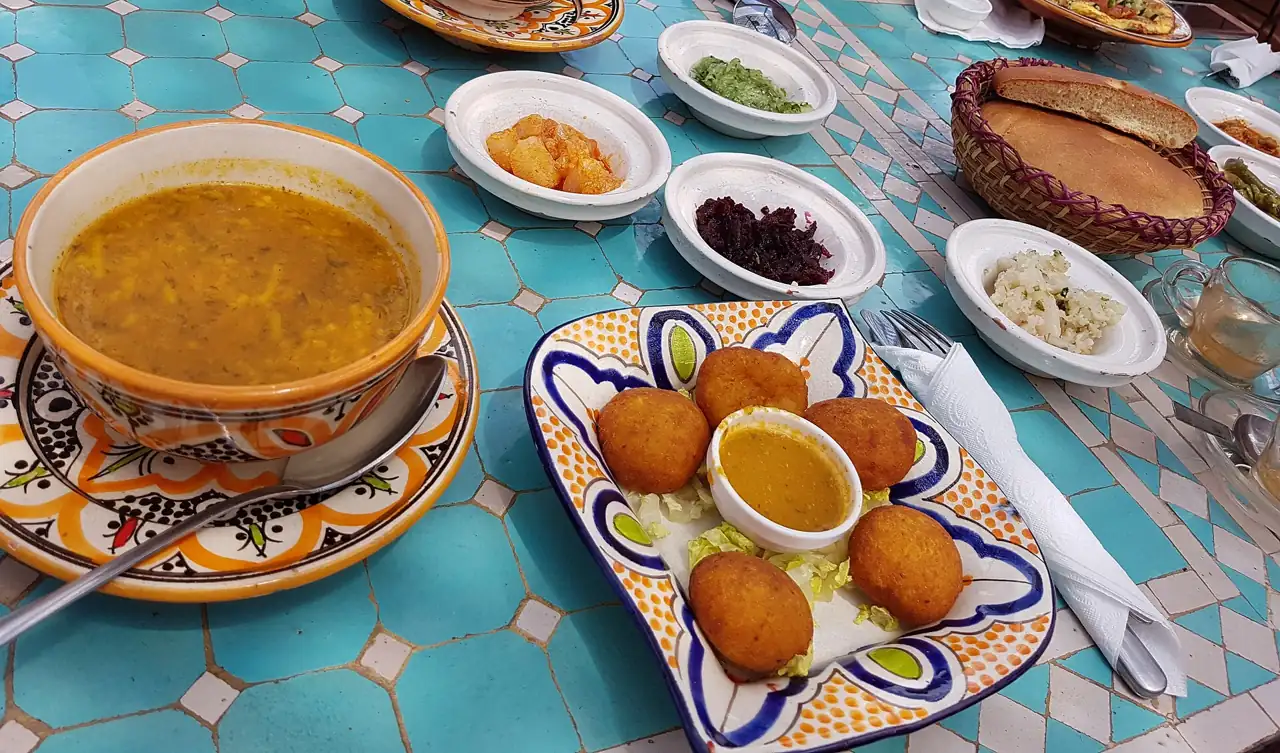
January is the season for warming dishes. Try harira, the tomato, lentil and chickpea soup often eaten with dates, and bissara, a thick fava bean soup with olive oil and cumin that many Moroccans have for breakfast in winter. In the south, look for medfouna, a stuffed bread baked in the sand or in a clay oven, and tagines slow-cooked for hours.
It is also citrus season: sweet oranges and clementines are everywhere and very cheap. And of course, mint tea is the best way to warm up after an evening in the dunes.
An 8-day January route: sun, snow and the Sahara
This route stays in the sunniest regions, includes a snowy mountain day and gives you two nights in the desert. It ends in Fes; reverse it if you fly into Fes.
- 1
Days 1–2 · Marrakech
Souks, gardens and palaces in the sunshine, with orange juice on Jemaa el-Fna.
- 2
Day 3 · A day in the Atlas snow
Day trip to Imlil, the Ourika Valley or Oukaïmeden, back to Marrakech for the night.
- 3
Day 4 · Over the Tizi n’Tichka
Cross the High Atlas, visit Aït Ben Haddou and sleep in the Skoura oasis or Ouarzazate.
- 4
Day 5 · Dades and Todra to Merzouga
Drive through the Dades Valley, walk the Todra Gorge and reach the dunes for sunset.
- 5
Day 6 · The Sahara
A 4x4 tour, sandboarding or a camel ride by day, then a long, starry night in a heated tent.
- 6
Days 7–8 · To Fes
Drive north past Midelt and the snowy Middle Atlas to Fes, then explore the medina.
Desert tours to Merzouga in January
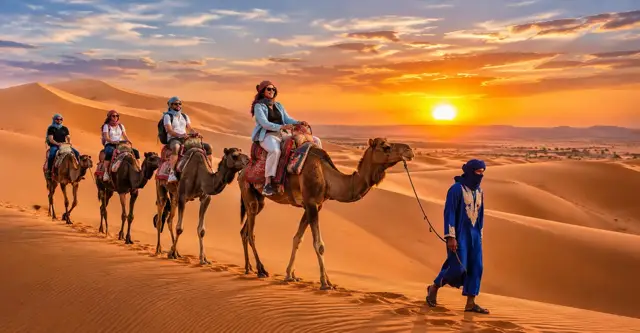
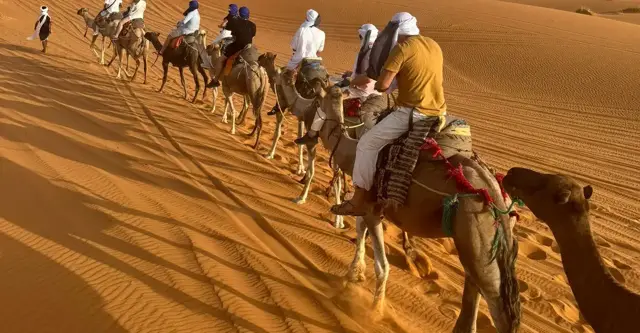
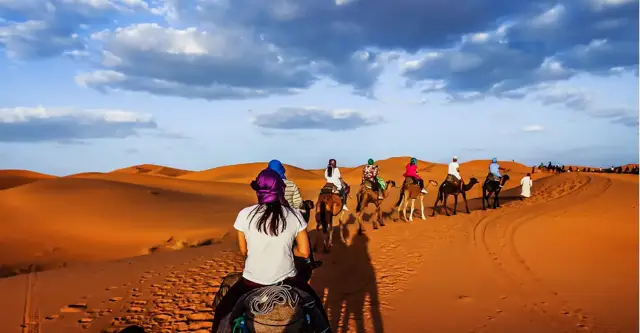
If you prefer not to drive mountain roads in winter, a guided tour is the easiest way to reach the dunes. We picked four tours that go to Merzouga: a 3-day and a 4-day tour from Marrakech, a 2-day tour from Fes and a 3-day tour from Fes to Marrakech.
In January, ask whether the camp has heated tents and private bathrooms, and what happens if snow closes a pass on your travel day.
Desert tours to Merzouga for January
Partner links: if you book through GetYourGuide we may earn a small commission, at no extra cost to you. Tours are run by independent operators.
What to pack for Morocco in January
- A warm down or insulated jacket for evenings, the mountains and the desert.
- Layers: T-shirts and long-sleeved tops for sunny days, plus a fleece or warm jumper.
- A beanie, gloves, a scarf and thick socks for desert sunrises and mountain days.
- A light waterproof jacket for Fes, Chefchaouen and the north.
- Sunglasses and sun cream: the winter sun is strong on sand and snow.
- Walking shoes with good grip for wet medina lanes and the dunes.
- Comfortable, modest clothes that cover shoulders and knees.
What does January cost?
January is one of the best-value months of the year, once the New Year week is over.
| Period | Prices | Availability |
|---|---|---|
| 1–3 January | Still high after New Year | Busy in Marrakech and the desert |
| 4–31 January | Low season | Easy to find riads, drivers and camps |
| Marathon weekend in Marrakech | Higher in Marrakech only | Book city hotels early |
General trend for tourist services; exact prices depend on the property and the tour.
Spend a warm January night in the Sahara
Merzouga Glamping is a family-run camp at the edge of Erg Chebbi with private ensuite tents. Heating in winter and air conditioning in summer run day and night, dinner is served in our indoor restaurant, and a sunset camel ride and sandboarding are included.
Stays start from €70 per person per night, and a single tent is €85. Our camp can be reached by normal car. After we confirm availability, a 20% deposit is paid in euros by PayPal; the balance is paid at the camp by card in dirhams, or in cash in euros or dirhams.
- What a night at a luxury desert camp is really like
- Can you reach a Merzouga desert camp by normal car?
- See our tents
- See all activities
Planning Morocco in January? Tell us your dates and we will check availability in our heated tents.
Ask about your datesWeather, tour and photo notes
Temperatures and rainy days are approximate climate averages, with our own observations for Merzouga; they are not a forecast. Holiday and event dates can change, so check them before you travel. Tour listings were checked on GetYourGuide on 19 November 2026; prices and inclusions can change.
- Merzouga dunes at sunrise photo · Mustang Joe · CC0
- Marrakech orange trees photo · Jorge Láscar · CC BY 2.0
- Marrakech juice stall photo · Mustang Joe · CC0
- Toubkal in winter photo · Anass Errihani · CC BY-SA 4.0
- Jebel Ayachi photo · Mounir Neddi · CC BY-SA 4.0
- Kasbah Amridil photo · Maureen · CC BY 2.0
- Erg Chebbi sunrise photo · JanSuchy · Public domain
- Agadir bay photo · Abdeaitali · CC BY-SA 4.0
- Taghazout boats photo · Heather Cowper · CC BY 2.0
- Harira photo · AxlsPacific · CC BY-SA 4.0
Frequently asked questions
Is January a good time to visit Morocco?+
Yes, for travellers who like quiet sites, sunshine and low prices. Days are mostly sunny and mild, but nights are the coldest of the year, so pack warm layers and choose heated rooms.
How cold is the Sahara in January?+
Days in Merzouga are usually around 17 °C and sunny. Nights fall to around 2–3 °C and can drop below freezing, so a heated tent and a warm jacket make a big difference.
Does it snow in Morocco in January?+
Yes, in the mountains. The High Atlas and the Middle Atlas around Ifrane often have snow in January. It does not snow in Marrakech, Fes or the desert.
Where is the warmest place in Morocco in January?+
Agadir and the south-west coast, with afternoons around 21 °C. Marrakech and the desert are also sunny and mild by day, but colder at night.
Is January cheap for travelling in Morocco?+
After the first few days of the month, yes. January is low season, so riads, drivers and desert camps are easier to book and often cheaper than in spring or autumn.
What should I wear in Morocco in January?+
Layers you can add and remove: T-shirts and long sleeves for the day, a fleece and a warm jacket for evenings, plus a hat and gloves for the desert and the mountains.
Plan the rest of your desert stay
Stay with us in Merzouga
Private ensuite tents with air conditioning and heating, dinner and breakfast, the sunset camel ride and sandboarding — all included.
Request availability